Buying A Bungalow In Grant Park: What To Know
Porches, tree-lined streets, and classic curb appeal make Grant Park bungalows easy to fall for. If you are picturing morning coffee on a deep front porch, you are in the right place. Buying one of these homes takes a clear plan though, because age, condition, and historic guidelines can affect your budget and timeline. In this guide, you will learn what drives pricing, which inspections to prioritize, how historic rules work, and how to compete smartly for the right house. Let’s dive in.
Grant Park is one of Atlanta’s oldest intown neighborhoods built around a large city park and Zoo Atlanta, with the Grant Park Conservancy anchoring events and amenities for neighbors and visitors alike. The neighborhood is listed as a historic district on the National Register, and the streets mix larger Victorian homes with a deep supply of early 1900s bungalows. The park itself is a daily lifestyle boost for many buyers, and it helps explain why porch-forward homes remain so popular. Learn more about the park and community programming from the Grant Park Conservancy.
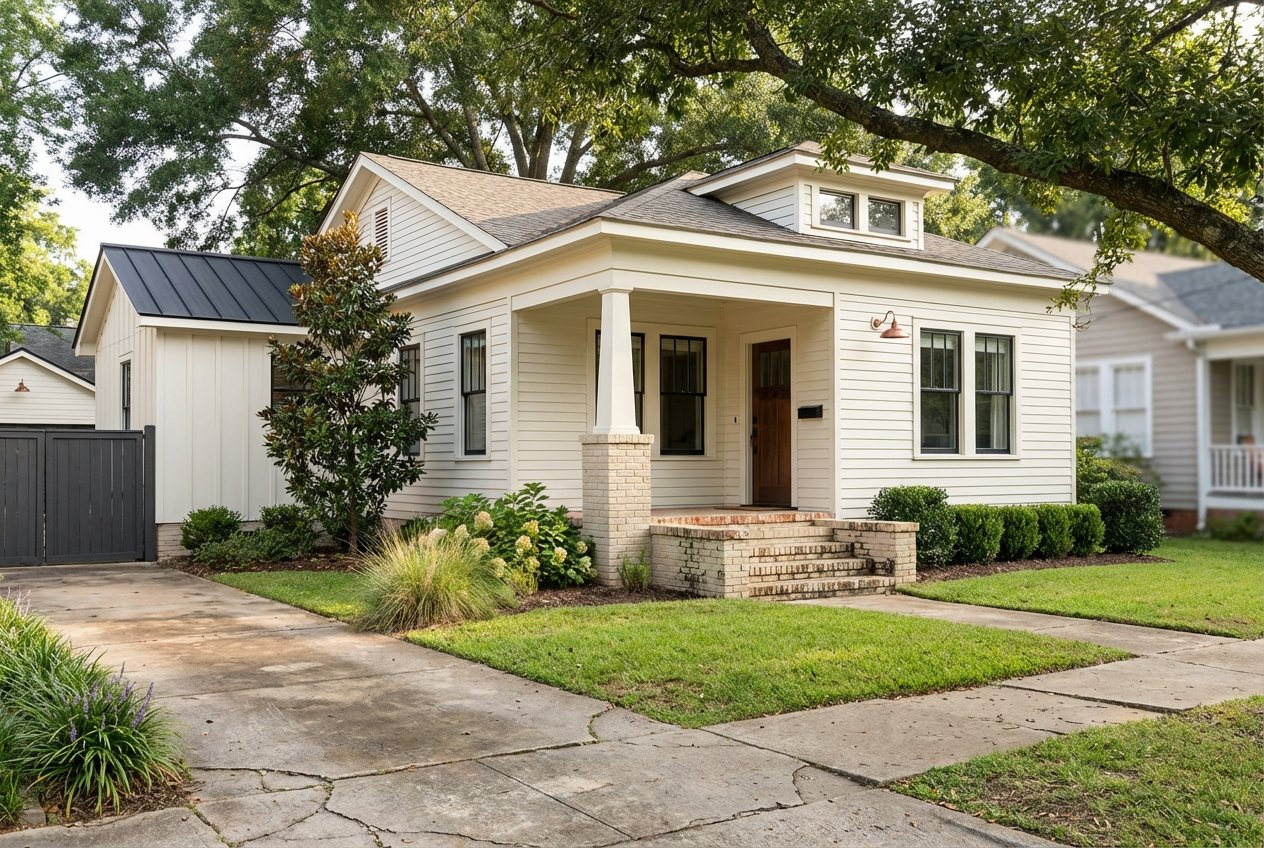
Bungalows here are usually one story or one and a half, with low-pitched roofs, broad covered porches, and grouped windows that bring in light. Inside, you will often see hardwood floors, built-ins, and fireplaces. Floor plans tend to be efficient and open between living and dining, which suits how many people live today. For a quick primer on common Craftsman features, see this overview of bungalow style and details from RTA Studio.
Based on recent snapshots through January 2026, typical Grant Park home values generally fall in the mid hundreds of thousands. Redfin reported a median sale price around $604,750 during that period, while Zillow’s index was about $551,197. Price per square foot and days on market vary with condition and proximity to the park. Renovated, move-in-ready bungalows and homes near the park tend to command premiums.
After the pandemic peak, many intown submarkets cooled in 2024 and 2025, with more listings and a higher share selling below original list price. According to local reporting, Atlanta buyers have seen more negotiating room than in 2020–2021, though well-priced renovated homes can still draw multiple offers. See the broader trend noted by Axios Atlanta. Always confirm up-to-the-week comps when you are ready to write.
Most Grant Park bungalows share a familiar mix of porch, roofline, and trim details that define the style. Expect:
Many original bungalows were modest, and you will still see homes under 1,000 square feet. Others run closer to 1,000–1,800 square feet, often with 2–3 bedrooms and 1–2 baths, plus later kitchen and bath updates. Sizes and layouts vary widely, so use current listings for the best comparables.
Most bungalows have had multiple rounds of upgrades. Common projects include kitchen modernization, added or enlarged bathrooms, new HVAC systems, partial or full electrical rewires, and plumbing replacements. Many sellers also invest in rear additions or dormers to add a primary suite. Exterior work often focuses on porch repairs, siding and trim restoration, and fresh paint. Because historic materials and labor can cost more, owners usually address safety and code items first, then move to comfort and cosmetics. That order affects timelines and budgets, especially when you take on work soon after closing. For context on typical historic-home priorities, see this local remodeler’s guidance on sequencing and costs for older homes (Artistic Construction).
Older homes reward careful due diligence. A full home inspection is essential, and it often pays to add specialists who understand historic bungalows.
Many historic bungalows sit on pier-and-beam or shallow continuous footings. Pay attention to uneven floors, deteriorated piers, moisture or ventilation issues in the crawlspace, and site drainage. Budgeting for stabilization or targeted repairs is common in older homes.
Confirm roof age and flashing, especially around chimneys and valleys. Porches are character-defining yet exposed to weather, so check columns, decking, and framing. Grading that moves water away from the house protects both the foundation and the porch.
The biggest surprise costs often come from systems and structure, not cosmetics. Full rewires, plumbing replacements, foundation stabilization, and complete kitchen or bath overhauls can move budgets quickly. When building your plan, rank projects by impact: safety and code first, then weatherproofing and roof, then comfort systems, then finishes. This approach helps your negotiations and your first-year budget.
Price bands usually reflect condition, size, and proximity to the park.
Competition is mixed. In the 2024–2025 cooling, buyers gained some leverage, but well-priced, move-in-ready bungalows still attract multiple bids. Your edge is preparation: clear financing, fast scheduling for inspections, and a strong understanding of likely post-closing projects. Recent Atlanta trends are summarized by Axios Atlanta, but block-by-block data will drive each deal.
Grant Park’s National Register status recognizes its significance, but it is the local City of Atlanta historic designation, where present, that triggers design review for visible exterior work. If a property lies within a locally designated area, you will need a Certificate of Appropriateness for many exterior changes, such as new porches, roofline changes, and visible additions. Build review time into your plan, since COA review can add weeks. Start with the City’s homeowner resources and COA process overview from Atlanta City Planning.
If you are considering a property that could be part of a tax-credit rehabilitation, note the federal program that offers a 20% credit for certified work on income-producing properties. Learn the basics from the National Park Service’s historic tax credit page. Georgia also has state-level incentives and a preferential property tax assessment for qualifying rehabilitations. Rules and caps change, so confirm details with the state before you bank on them.
Neighborhood knowledge also helps. The Grant Park Neighborhood Association often shares land-use updates and community information that provide context for past or pending projects. Explore resources at the Grant Park Neighborhood Association.
Use this to focus your search and sharpen your offer.
Buying a bungalow in Grant Park is about more than square footage. It is a lifestyle choice centered on porch culture, park access, and historic charm. With the right due diligence and a clear plan for systems, permits, and design review, you can buy with confidence and enjoy the character that makes these homes special.
If you want hands-on guidance from an intown specialist, let’s talk. From pricing context to historic approvals and negotiation strategy, Makes Home Real Estate is here to help you buy smart in Grant Park.
Stay up to date on the latest real estate trends.

Lifestyle
April 24-26, 2026
Lifestyle
April 17-19, 2026
lifestyle
April 10-12, 2026
Lifestyle
April 3-5
Lifestyle
March 27-29
March 20-22, 2026
Contact me today for assistance in determining current property value, crafting a competitive offer, writing and negotiating a contract, and much more.