Guide to Selling a Historic Home in Grant Park Atlanta
If you are selling a historic home in Grant Park, you are not just listing square footage. You are selling architecture, setting, and a piece of one of Atlanta’s oldest residential neighborhoods. That can feel exciting and a little complicated at the same time, especially when buyers start asking what can be changed, what must be preserved, and how historic status affects value. This guide will help you position your home clearly, market its character well, and prepare for the questions that matter most. Let’s dive in.
Grant Park is a locally designated historic district in Atlanta, first designated in 2000 and later expanded in 2003. The area is centered around a 131-acre park, and the city describes it as one of Atlanta’s oldest residential neighborhoods, with more than 430 acres of rolling terrain in southeast Atlanta.
That context matters when you sell. Buyers are often drawn to Grant Park because the homes and streetscape feel distinct from newer construction. The neighborhood’s historic character includes mature trees, narrow rectangular lots, original brick sidewalks in places, retaining walls, and a wide range of architectural styles that give the area a strong sense of continuity.
The district includes homes such as Queen Anne, Folk Victorian, Craftsman bungalow, English Vernacular Revival, and some Shotgun and Double Shotgun forms, according to the City of Atlanta’s historic district information. National Register documentation also identifies Grant Park as a district with residential, commercial, and community landmark buildings, with a period of significance later extended to 1954.
One of the first things buyers want to understand is what “historic” actually means. In Grant Park, the answer may involve both local historic district status and National Register status.
That distinction is important. Georgia DCA explains that National Register listing itself does not place restrictions on the use, treatment, transfer, or disposition of private property. Local Atlanta historic district rules are what typically shape review for exterior changes.
For sellers, this means your marketing should be accurate and calm. You do not need to frame the home as frozen in time, but you also should not imply that future exterior changes are unrestricted.
Most buyers considering a historic home will ask some version of the same question: What can I change later? That is a fair question, and your listing strategy should be ready for it.
According to the City of Atlanta’s guidance on historic properties, historic district regulations are part of Chapter 20 of the zoning ordinance. The city notes that design controls can apply to things like setbacks, heights, materials, and facade character.
The practical takeaway is simple. In Grant Park, exterior alterations, additions, windows, roofs, porches, fences, and decks may require review or permitting through the city’s process. So when you market the home, it is smarter to present it as a property that supports compatible modernization rather than unlimited renovation.
If you have completed exterior work recently, or if buyers are likely to ask about future projects, it helps to understand the basics of the review framework. The city says that work affecting the exterior of a designated property may require a Certificate of Appropriateness along with the normal building permit.
Atlanta also notes that exterior work in Chapter 20 historic districts is not exempt from the normal permit review framework, though small repairs under $2,500 may be exempt if they are otherwise lawful. You can also use the city’s GIS property information search and zoning guidance to verify zoning and overlay status.
This does not need to become the center of your listing. But it does mean a well-prepared seller can reduce confusion by gathering records, clarifying past improvements, and setting accurate expectations from the start.
A common mistake when selling an older home is treating its original floor plan like a problem that needs an excuse. In Grant Park, that approach usually misses the point.
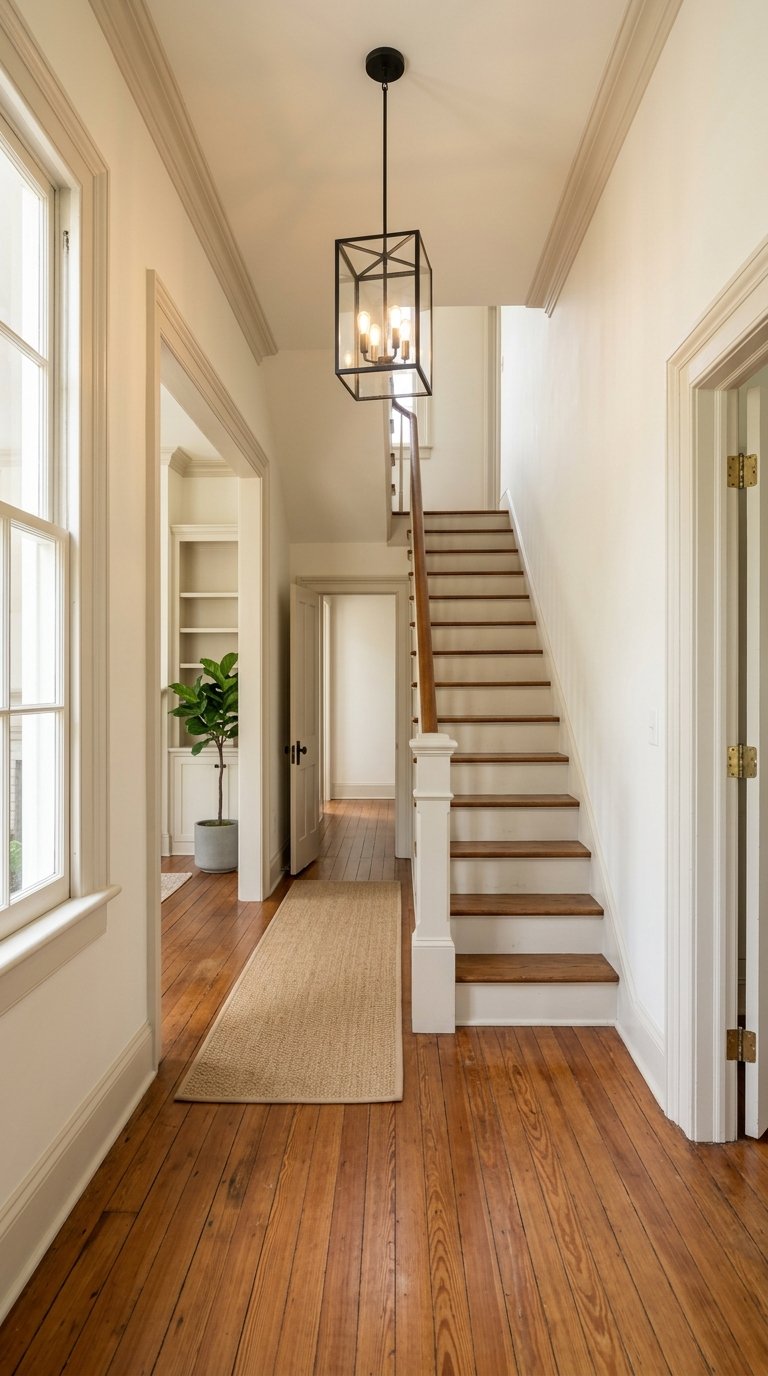
Historic homes here often stand out because of their room definitions, trim details, porches, staircases, fireplaces, wood floors, and window proportions. Buyers looking in this neighborhood are often responding to those features on purpose, not in spite of them.
Your marketing should help buyers understand how the home lives today while respecting what makes it historic. Instead of trying to disguise the house as something newer, focus on how the existing layout functions and where thoughtful updates have already improved daily life.
Older homes tend to show best when each room has a clear purpose. That matters even more in homes with traditional layouts, where buyers may otherwise struggle to picture flow.
A smart staging plan can help you:
This approach aligns with the idea of preserving historic character rather than fighting it. The Secretary of the Interior’s Standards for Rehabilitation emphasize retaining historic character, preserving distinctive materials and spaces, and repairing rather than replacing historic features when possible.
When buyers shop for historic homes, certain features often carry real emotional weight. If your home has original or early details that remain intact, they should be part of the story.
Depending on the property, that may include:
That does not mean every older element should be presented as perfect. It means buyers should be able to see what is authentic, what has been maintained, and what has been updated with care.
Windows are one of the most common buyer concerns in historic homes. Some buyers love original windows. Others immediately wonder about efficiency, maintenance, and replacement.
The best approach is to be factual. The National Park Service notes that repair is the preferred first option for historic windows, and if replacement is necessary, the new windows should be carefully documented and visually compatible with the originals.
If your home has repaired original windows, quality storm windows, or compatible replacements, that information can help buyers understand the home better. Clear documentation is often more reassuring than broad claims.
In Grant Park, the home is only part of the visual story. The surrounding streetscape often adds real value to how buyers perceive the property.
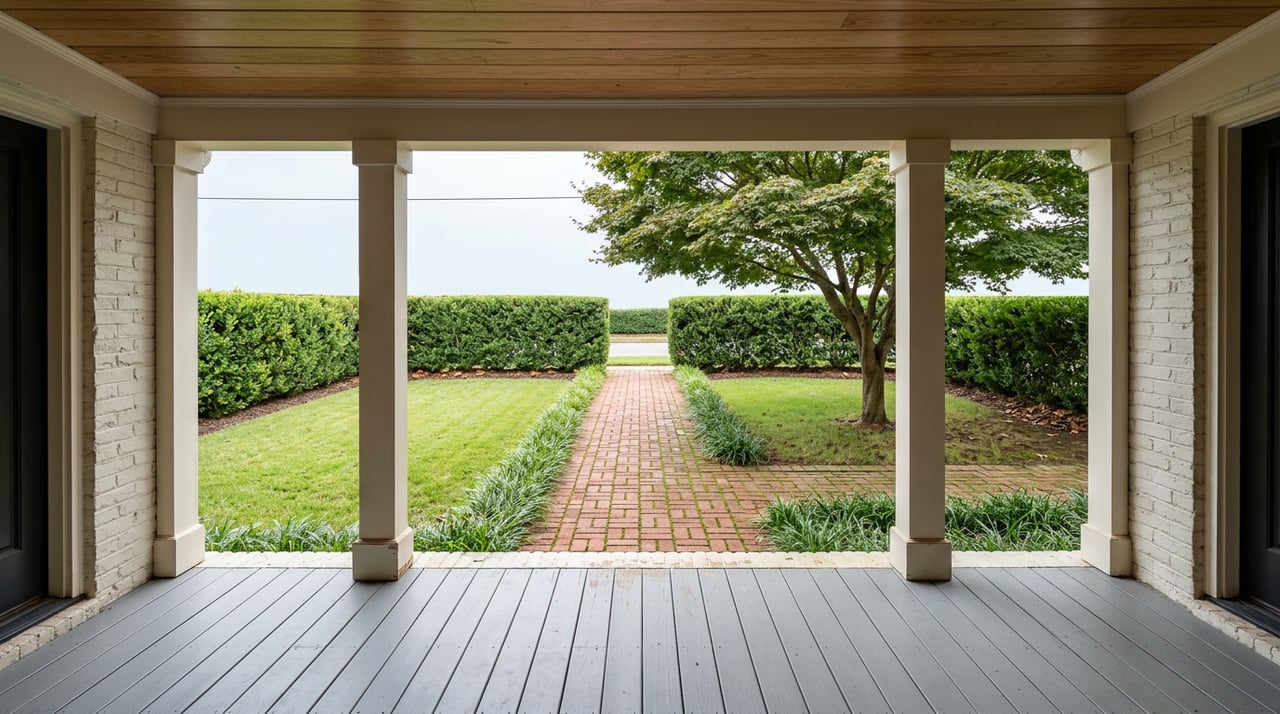
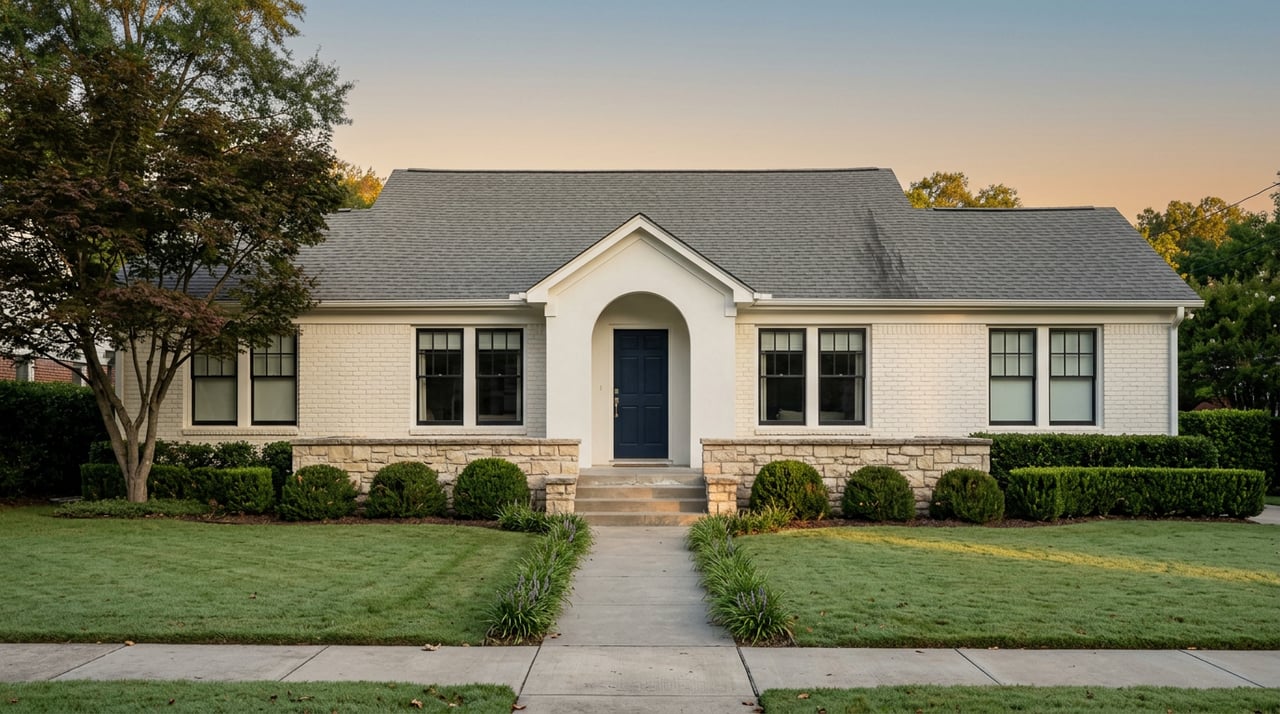
Because the district’s historic character includes mature trees, brick sidewalks in places, retaining walls, and a cohesive neighborhood setting, exterior photography should show more than a tight front elevation. Wider shots that place the house within its block can help buyers appreciate how it fits into the larger character of the district.
This is especially helpful online, where buyers are deciding in seconds whether a listing feels distinctive. A historic home often sells better when the marketing shows both the architecture and the context around it.
Some buyers will ask whether a historic home comes with tax benefits. The answer can be yes, but only under certain conditions, so it is important to keep the explanation accurate.
Georgia offers a state income tax credit program for rehabilitated historic property. For a principal residence, the credit equals 25% of qualifying rehabilitation expenses, capped at $100,000. Georgia also says updated rules that expand owner-occupied local-district eligibility go into effect in 2026.
Georgia also offers a preferential property tax assessment program for qualifying historic property. DCA describes this as a freeze of the county property tax assessment, and the state explains that qualifying historic property may receive preferential assessment for a period of nine years.
These programs are not automatic, and eligibility depends on the property and the work performed. Still, they can be a meaningful part of the conversation for buyers considering a future rehabilitation.
If a future buyer plans a credit-eligible rehabilitation after closing, Georgia DCA requires pre-rehab photos, floor-plan documentation, and, for local-district properties, a Local Designation Confirmation Form as part of the application process. That makes current documentation more valuable than many sellers realize.
Before listing, it can help to gather:
The goal is not to overwhelm buyers with paperwork. It is to make the home easier to understand and easier to trust.
The strongest Grant Park listings usually do three things well. They present the home’s history as an asset, explain updates in a clear and measured way, and help buyers see how the property fits into the neighborhood’s historic fabric.
That positioning often sounds like this:
When you sell a historic home well, you are not trying to broaden the story until it sounds generic. You are making the case that this specific home offers something buyers cannot easily find elsewhere.
If you are getting ready to sell a historic home in Grant Park, the right strategy starts with understanding what buyers value, what the district rules actually mean, and how to market character with confidence. For thoughtful pricing, preparation, and listing guidance tailored to intown Atlanta, connect with Makes Home Real Estate.
Stay up to date on the latest real estate trends.




Contact me today for assistance in determining current property value, crafting a competitive offer, writing and negotiating a contract, and much more.