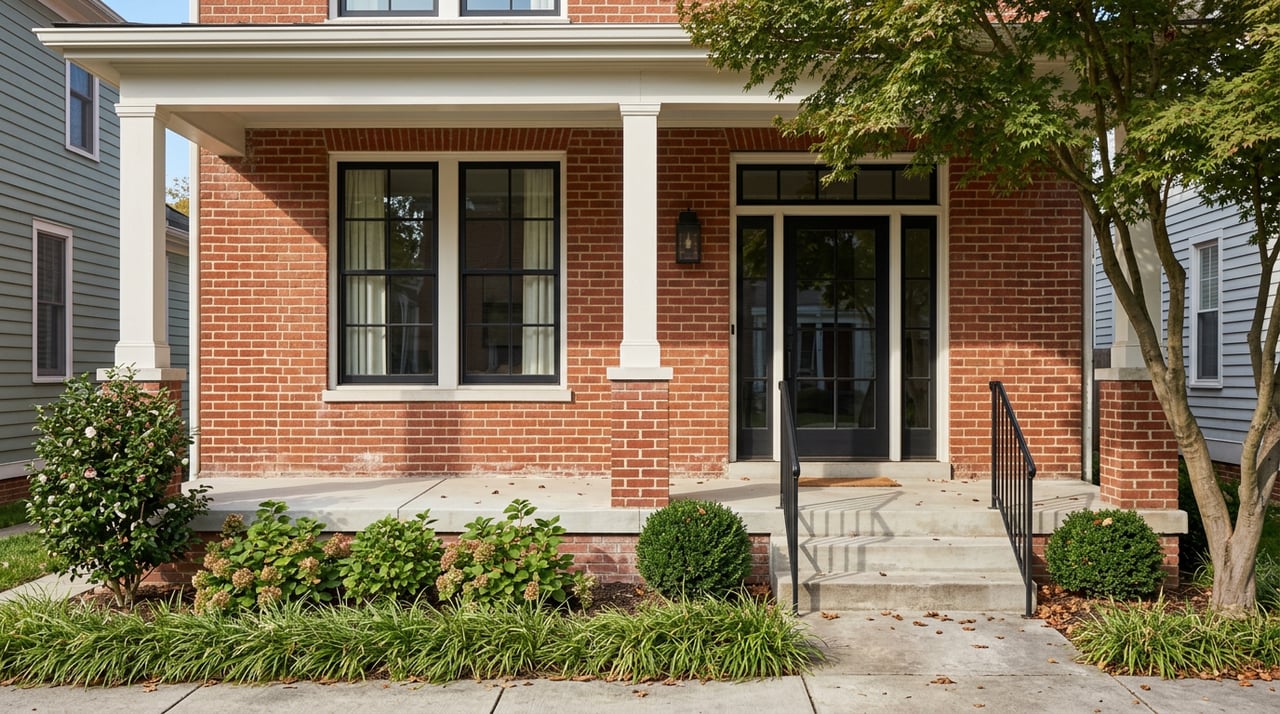
Inman Park Homes and Lifestyle: Where History Meets Intown Living
Picture this: you step off a wraparound porch with stained glass at the entry, grab a coffee, and hop on the BeltLine a block away. That blend of storied architecture and everyday convenience is what draws so many people to Inman Park. If you love character but need walkability and transit, this neighborhood delivers both. In this guide, you’ll learn what homes look like here, how much they tend to cost, the rules that shape renovations, and what daily life feels like on these curving, tree-lined streets. Let’s dive in.
Inman Park began in the late 1880s as Atlanta’s first planned “garden suburb,” designed by developer Joel Hurt with curving streets and intentional green space. Early streetcar service tied the area to downtown and helped shape its in-town feel today. The neighborhood’s historic architecture and planning history are well documented by SAH Archipedia and in Inman Park’s National Register timeline. Those roots explain why you see large front porches, pocket parks, and a walkable street pattern that still works for modern life.
Much of Inman Park sits inside a local historic-district overlay and a National Register–listed district. Exterior work visible from the street often requires a Certificate of Appropriateness, with guidelines and procedures coordinated through the neighborhood and the City. If you plan a porch rebuild, window replacement, or an addition that changes the street view, budget time for review. Start with the neighborhood’s overview of procedures on the IPNA historic preservation and zoning page.
You’ll see a wide range of late-19th and early-20th-century styles: high-Victorian and Queen Anne homes, Romanesque details, American Foursquare cottages, and plenty of Craftsman bungalows. There are also smaller worker-style cottages and shotgun houses mixed in. Many homes showcase original woodwork, tall ceilings, large front porches, and bay windows that reflect the era’s craftsmanship.
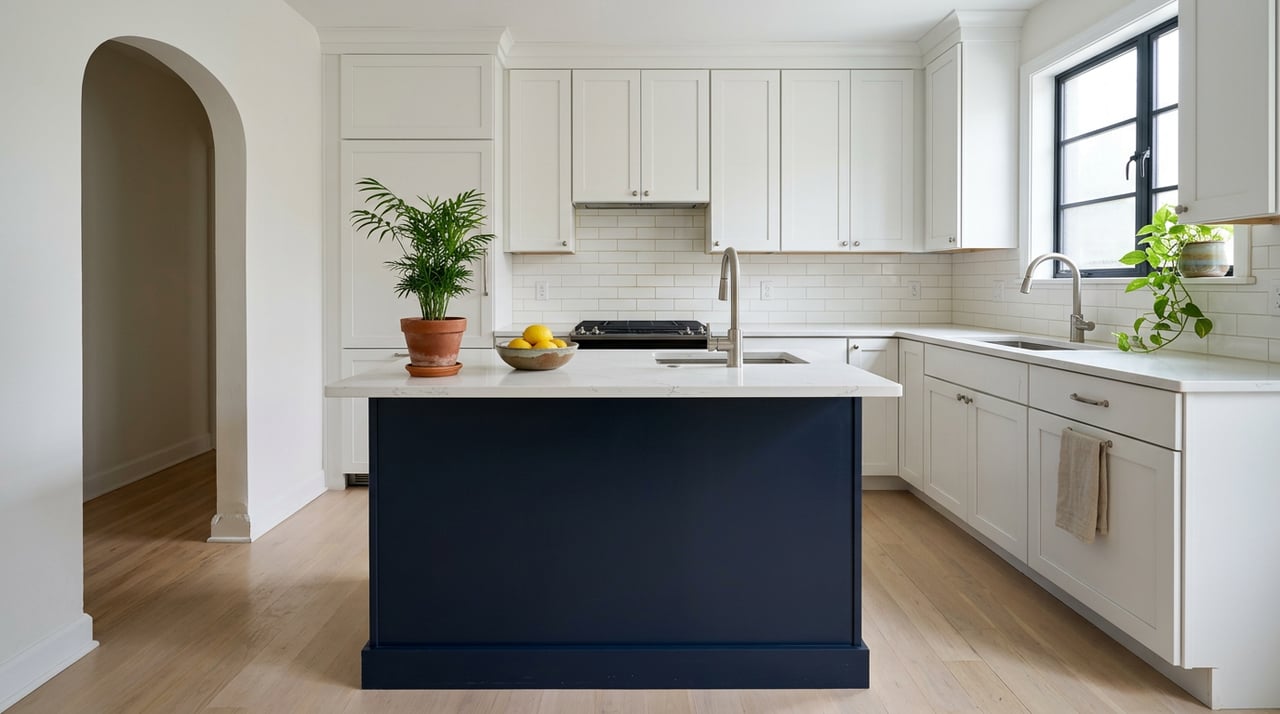
Inside, it’s common to find modernized kitchens and bathrooms paired with preserved trim and hardwood floors. System upgrades like HVAC, electrical, and insulation show up often in recent listings and restorations. Buyers should look closely at roof and structural condition, original window integrity, and site drainage. For pre-1978 homes, plan for lead-paint awareness and factor in potential electrical or plumbing updates during due diligence.
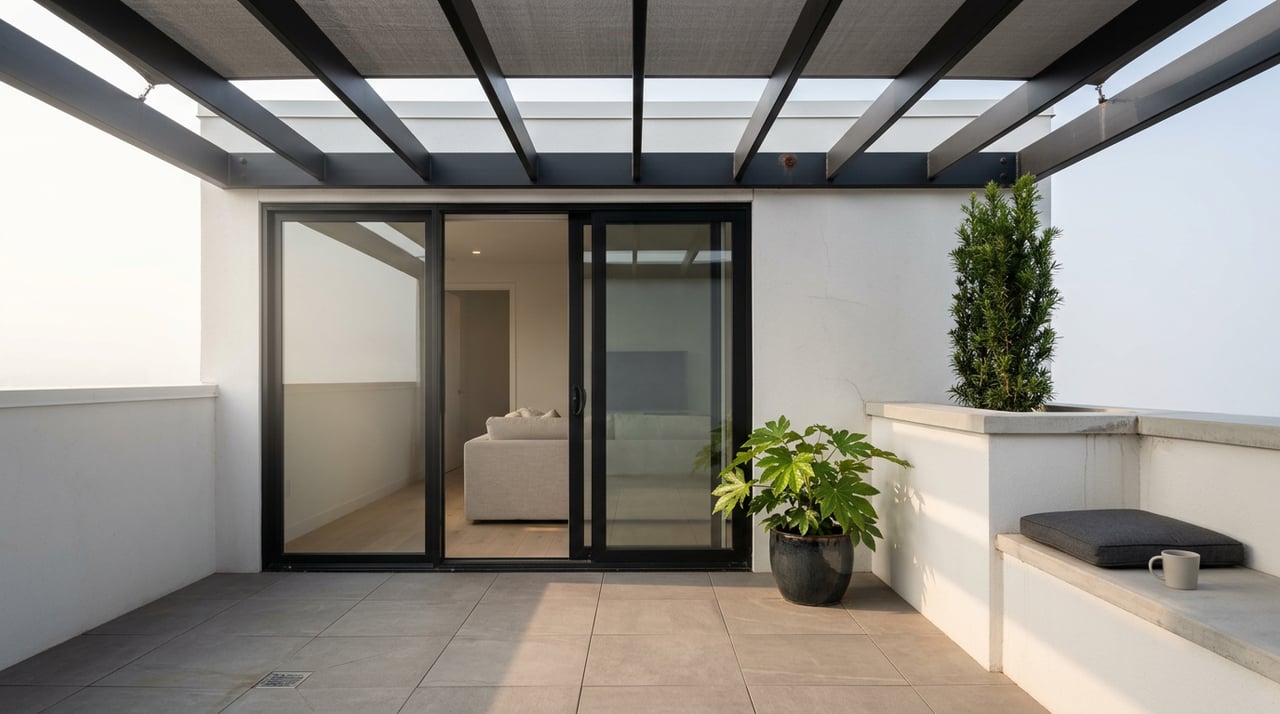
Along the BeltLine and near commercial corridors, you’ll find townhomes, condos, and loft-style infill. These homes tend to offer open floor plans, newer systems, and features like rooftop decks or attached garages that older homes may not have. On blocks with heavier foot traffic, especially near the Eastside Trail and festival areas, infill with dedicated parking can be a practical tradeoff.
Inman Park’s green spaces are part of its everyday rhythm. Springvale Park sits in the neighborhood with a pond, playground, and space to relax. Freedom Park and nearby trails are an easy walk for many residents. Small plazas and the Bass Recreation Center round out options for quick trips outdoors.
The Eastside Trail of the BeltLine runs along Inman Park’s western edge. It puts you within walking or biking distance of Krog Street Market, the Krog Street Tunnel murals, Old Fourth Ward, and Ponce City Market. For a snapshot of trail access and nearby destinations, use the Eastside Trail guide. This connection is a big reason many residents live car-light.
At the neighborhood level, Walk Score rates Inman Park in the high 80s for walkability, with fair bike access. The Inman Park/Reynoldstown MARTA station on the Blue/Green line anchors transit for commuters and weekend explorers alike. You can check station details, parking, and routes on the MARTA station page.
Every spring, the Inman Park Festival and Tour of Homes showcases restored homes, local art, and lively street energy. It is volunteer-driven and widely attended. For a sense of how to participate or plan your visit, see the Inman Park Festival information.
Market numbers vary by source because each provider uses different time frames and neighborhood boundaries. Around January 2026, Redfin reported a neighborhood median sale price near $1,020,000. Zillow’s home-value index ran in the mid-$700,000s through late 2025. Realtor.com showed a median listing price in the mid-$600,000s for portions of the same period. Treat these as directional ranges and always check how each source defines the area and time window.
Restored Victorians with high-quality updates tend to command the top of the market. Early-20th-century bungalows and cottages offer lower entry points, but still price above many outer neighborhoods given location and character. Townhomes and condos near the BeltLine or Krog Street Market can be a lower-maintenance way to buy into the area, popular with first-time buyers and downsizers.
Buyers often pay a premium for preserved exteriors, period details, smart interior updates, and off-street parking. Proximity to BeltLine access points and retail nodes boosts day-to-day convenience. On the flip side, homes that need major system upgrades or exterior work that will require review can trade at a discount. Clear inspection reports and documented improvements help listings stand out.
Many historic homes were built before car culture and may not include garages or long driveways. Infill townhomes often advertise dedicated parking. On weekends and during festivals, on-street parking tightens near the BeltLine and commercial areas. Many residents accept this in exchange for walkability and neighborhood amenities.
If your home sits in the local historic overlay, exterior work visible from the street may require a Certificate of Appropriateness. Simple repairs can move quickly, but additions, porch changes, and new construction need more review and sometimes neighbor notification. Get familiar with process basics on the IPNA preservation and zoning page before you draw plans.
For older homes, prioritize structure and weatherproofing first. Ask your inspector to look closely at roof age, foundation and framing, window condition, plumbing supply and waste lines, electrical panel and wiring type, and HVAC age and service history. If you are buying a pre-1978 home, plan for lead-safe practices when you renovate. Build an upgrade budget that reflects code updates and energy-efficiency improvements.
If you are planning a certified rehabilitation, Georgia and federal tax incentives may apply. The federal program offers a credit for qualifying income-producing historic rehabilitations, and Georgia has a state historic rehabilitation credit with its own rules and caps. These programs require planning and documentation. Learn the basics from this Georgia preservation incentives primer and speak with the Georgia SHPO or your tax advisor early.
As with many intown neighborhoods, it is smart to verify flood zone status, insurance needs, and site drainage during due diligence. Review title documents, ask about local drainage history, and confirm grading around the foundation. These checks help you avoid surprises and plan improvements confidently.
Inman Park is served by Atlanta Public Schools. School assignments can change with boundary updates. Commonly referenced nearby schools in public materials include Springdale Park Elementary and cluster schools that feed into Midtown/Grady-area high schools. Always verify the current school assignment for a specific address directly with the district.
You deserve a guide who knows the difference between a porch repair that sails through review and an addition that needs a committee meeting. As an intown specialist, I combine neighborhood context with clear market data to help you price, bid, and negotiate with confidence. My approach is hands-on and service-forward, from strategy and showings to inspections, valuations, and closing.
If you are buying, I help you weigh historic character, parking tradeoffs, and renovation scope against location and budget. If you are selling, I bring polished marketing, pricing strategy, and the brokerage support needed to reach the right buyers. You can explore listings through our on-site search tools and request a quick property value estimate to start the conversation.
Ready to talk about your move in Inman Park? Reach out to Makes Home Real Estate for a consultation and a plan.
Stay up to date on the latest real estate trends.
Lifestyle
July 10-12, 2026
Lifestyle
July 3-5, 2026
Contact me today for assistance in determining current property value, crafting a competitive offer, writing and negotiating a contract, and much more.