Should You Renovate or Sell As-Is in Ormewood Park?
Wondering whether you should fix up your Ormewood Park home or just list it as-is? You are not alone. In a neighborhood with older cottages, bungalows, and ranch homes, that question comes up often because buyers are comparing charm, condition, and price all at once. This guide will help you weigh the tradeoffs, understand what buyers are likely noticing, and decide which path fits your timeline, budget, and goals. Let’s dive in.
Ormewood Park has a mix of early 20th-century cottages, Craftsman homes, bungalows, postwar cottages, and later ranches. That variety is part of the neighborhood’s appeal, but it also means many sellers are bringing older homes to market alongside homes that have already been updated.
Recent market snapshots point to a neighborhood that is active but fairly balanced. In mid-2026, homes were selling in about 30 to 39 days on average, and sale prices were landing around asking price. That matters because in a balanced market, condition and presentation can still shape both your buyer pool and your final price.
Most buyers start their search online, and photos usually create the first impression. Zillow reports that 94% of buyers used at least one online resource in 2024, which means your home’s visual appeal matters before a showing is ever scheduled.
That online-first behavior tends to reward homes that look clean, cared for, and easy to move into. Zillow also found that turnkey homes sold for 2.9% more than expected, remodeled homes for 2.2% more, and fixer-uppers for 14% less than expected. In a neighborhood with older housing stock, buyers are often asking a simple question: does this home feel worth the price compared with updated alternatives nearby?
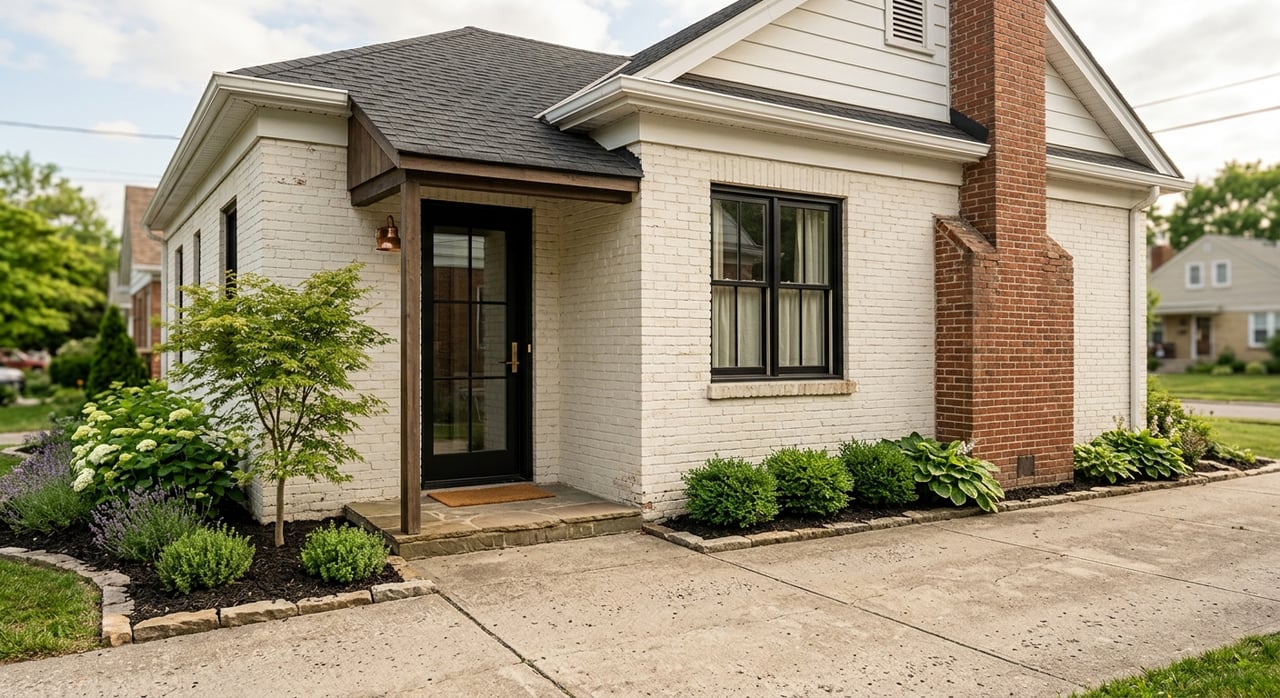
If your home is structurally sound and most of the issues are cosmetic, targeted updates often make the most sense. Current research supports small, visible improvements over expensive pre-sale overhauls.
Fresh paint and landscaping are often strong places to start. Realtor.com also notes that cosmetic updates like paint, updated fixtures, and simple landscaping can attract more buyers and may shorten time on market. These projects are usually easier to budget, easier to schedule, and more likely to improve first impressions quickly.
If you are trying to decide where to spend money, focus first on upgrades buyers will notice right away:
The broader remodeling data points in the same direction. The 2025 Remodeling Impact Report says painting the entire home, painting one room, and new roofing are among the most commonly recommended pre-listing projects. It also found strong buyer demand for kitchen upgrades, new roofing, and bathroom renovations, but that does not mean every seller should take on a large remodel.
Major renovations can be tempting, especially if you have lived in the home for years and know exactly what you would improve. But your personal wish list and buyer return are not always the same.
The same remodeling report found that some smaller projects delivered better cost recovery than major overhauls. A new steel front door had 100% cost recovery, while closet renovation came in at 83% and a new fiberglass front door at 80%. The takeaway is simple: if you plan to sell soon, choose projects based on likely resale impact, not just long-term enjoyment.
Selling as-is can be the right move when the home needs expensive systems work, when you do not have the time or budget to renovate, or when simplicity matters more than squeezing out every last dollar.
An as-is sale means you are listing the property in its current condition without making repairs before closing. Buyers can still inspect the home, so this approach does not remove condition from the conversation. It simply changes how the property is positioned and priced.
Selling as-is may be worth considering if:
Zillow notes there is no fixed discount for an as-is sale, but homes needing major repairs may draw offers 10% to 20% below market value. By contrast, homes with only minor cosmetic issues may still sell closer to market value. That distinction is important in Ormewood Park, where an older home with solid bones and manageable flaws may still attract interest if the pricing is realistic.
The real decision usually comes down to the type of work your home needs. Cosmetic issues and maintenance items often respond well to a light pre-sale plan. Major system problems usually push the conversation toward as-is pricing or a much more selective repair strategy.
A simple way to think about it is this:
| Home condition | Likely better path |
|---|---|
| Mostly cosmetic wear | Targeted updates before listing |
| Clean but dated finishes | Light refresh, not full remodel |
| Major roof or HVAC issues | Consider as-is or very selective repairs |
| Electrical or structural concerns | Evaluate repair cost versus as-is pricing |
| Very limited budget or timeline | As-is may be the cleaner option |
If you are not sure where your house falls, a pre-listing walkthrough can help you separate must-fix issues from nice-to-have upgrades. That is often the fastest way to avoid overspending.
In Georgia, caveat emptor, or buyer beware, is still a core principle in residential real estate practice. At the same time, the Georgia Association of REALTORS® includes a Seller’s Property Disclosure Statement in its forms library, and disclosures can influence whether buyers make an offer and what amount they are comfortable offering.
For sellers, that means honesty and preparation still matter. If you know about defects, deferred maintenance, or past issues, those details can shape buyer confidence and negotiation outcomes.
If you are thinking about renovations that may require permits, check with the City of Atlanta Office of Buildings before work begins. The city states that a physical state-issued contractor license card is required for permit issuance. That is one more reason many sellers choose smaller cosmetic projects over major pre-sale construction.
If you are considering selling within the next year, it helps to start earlier than you think. Zillow’s 2025 seller research found that the typical seller seriously considers selling for 3 to less than 4 months before listing.
That window is usually enough time to get a local pricing opinion, walk through your home with an agent, gather contractor estimates, and decide whether any work is likely to pay off. In many cases, the right answer is not “renovate everything” or “do nothing.” It is a middle path built around presentation, repairs, and smart pricing.
For many Ormewood Park sellers, the most effective strategy is selective improvement. Clean up what buyers can see, repair what raises red flags, and avoid pouring money into a full remodel unless there is a clear pricing reason to do it.
That often means focusing on paint, curb appeal, lighting, and deferred maintenance first. Then, if a kitchen, bath, or roof is clearly hurting buyer interest or likely to create inspection concerns, you can decide whether a targeted investment makes sense.
If the house needs substantial systems work or you want a simpler sale, selling as-is can still be a solid option in this neighborhood. The key is setting expectations early and pricing in a way that reflects the home’s current condition and likely buyer pool.
If you want help weighing your options for an Ormewood Park home, Makes Home Real Estate can help you think through likely buyer response, prep strategy, and pricing with a local, practical lens.
Stay up to date on the latest real estate trends.


Contact me today for assistance in determining current property value, crafting a competitive offer, writing and negotiating a contract, and much more.