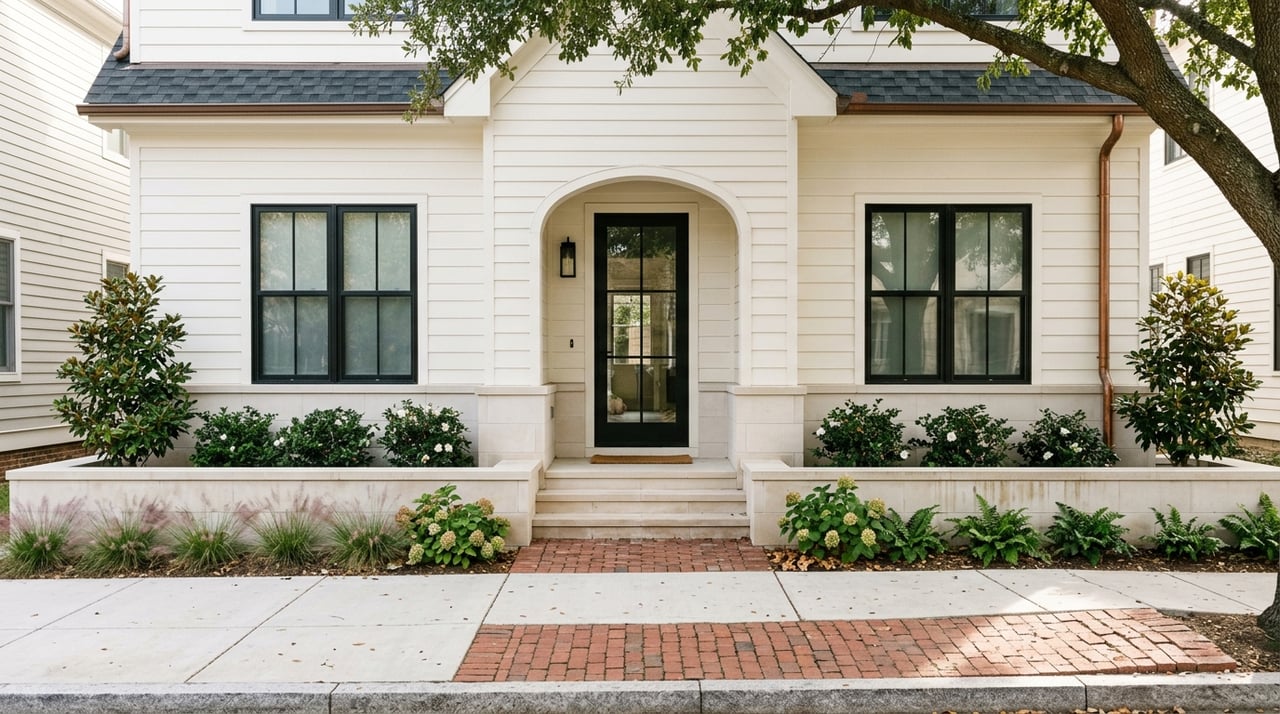
Is Midtown Atlanta The Right Fit For Your Next Move?
Thinking about Midtown Atlanta? It can be a fantastic fit, but only if you want the kind of city living Midtown actually offers. If you are trying to decide whether this intown district matches your day-to-day lifestyle, your housing goals, and your commute, this guide will help you sort through the tradeoffs with clear local context. Let’s dive in.
Midtown is best known as a dense, mixed-use intown district where daily life revolves around walkability, transit access, restaurants, arts, offices, shopping, and green space. It sits just north of Downtown and south of Buckhead, with direct access to I-75/85 and MARTA.
That means Midtown is usually a stronger fit if you want an urban, connected lifestyle rather than a traditional lot-and-yard setup. In practical terms, you are choosing convenience, activity, and access over quiet streets and large private outdoor space in most parts of the area.
It is also worth noting that Midtown boundaries can vary depending on the source. Some people mean the core Midtown Improvement District, while others mean the broader Greater Midtown area, so it helps to be specific when you start your home search.
For many buyers, Midtown works because it puts a lot of Atlanta within easy reach. You can live close to restaurants, arts venues, offices, parks, and rail stations, all in one of the city’s most established intown districts.
Midtown Alliance describes the area as built to be explored on foot and by transit. The district includes four MARTA rail stations, more than 70 transit routes, 14 miles of new sidewalks, and 11 miles of bike facilities.
That infrastructure shapes everyday life in a real way. If you value being able to step outside and get to dinner, a park, work, or a train without driving everywhere, Midtown has a lot to offer.
One of Midtown’s biggest advantages is how easy it can be to get around without depending on your car for every trip. Midtown Alliance reports that 96% of office space and 97% of residential space are within a six-minute walk of a MARTA rail station.
Midtown Station is on MARTA’s Red and Gold Lines and is the closest station to Piedmont Park. MARTA also notes that the station includes bus connections, bike repair, shuttle access, and very limited daily parking.
For airport travel, Midtown Alliance says Hartsfield-Jackson is about a 20 to 25 minute one-seat MARTA ride away. If you travel often for work or like easy airport access, that can be a meaningful quality-of-life perk.
If you want a neighborhood with built-in activity, Midtown delivers. Midtown Alliance describes it as the Southeast’s Heart of the Arts and says the district draws more than 6.1 million visitors a year to its cultural institutions.
The Woodruff Arts Center anchors a major part of that identity. It is home to the High Museum of Art, Alliance Theatre, and Atlanta Symphony Orchestra, all right in Midtown.
The dining scene is another major draw. Midtown Alliance says the district has more than 150 restaurants along with a strong street-food scene, so you have a wide range of options close to home.
A lot of buyers are surprised by how much outdoor access Midtown offers for such an urban area. Midtown Alliance says the district includes 300 acres of greenspace, including Piedmont Park and the Atlanta Botanical Garden.
Piedmont Park alone includes more than 200 acres of green space and is open to the public daily. For many residents, that access helps Midtown feel more livable because you can pair dense city living with walks, runs, picnics, and time outdoors.
If you want city energy without giving up easy park access, this is one of Midtown’s strongest selling points. It is a practical lifestyle benefit, not just a nice extra.
Midtown is not just one housing type, even though many people picture only high-rise towers. The housing mix depends a lot on which part of Midtown you mean.
In the Midtown Core, the housing stock is mostly condos, apartments, and loft-style residences. Midtown Alliance notes that this core area includes nearly 7,000 residential units.
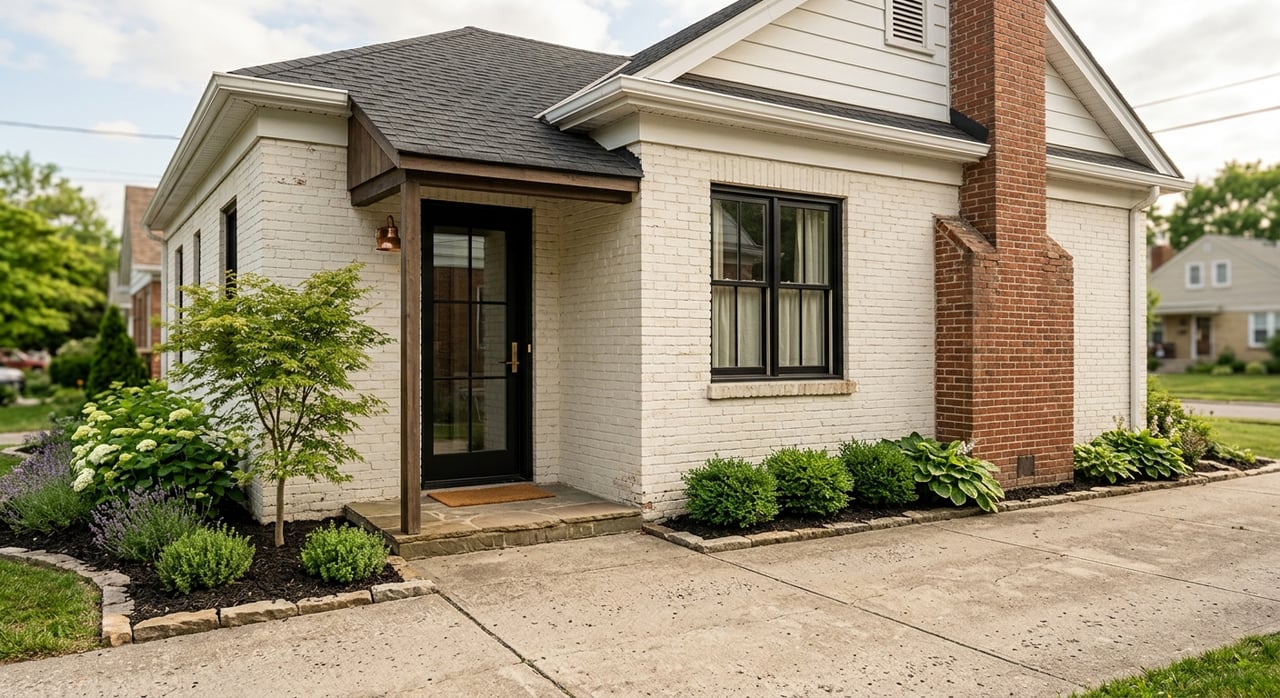
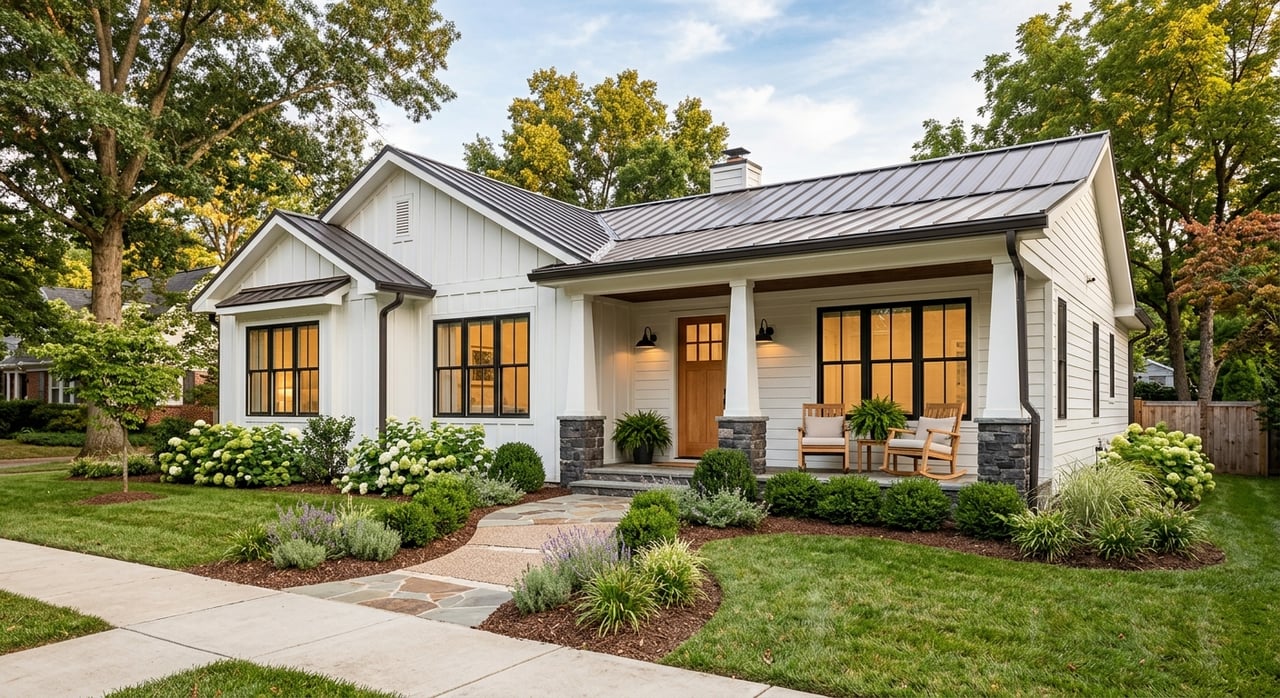
Outside the core, there are more house-like options in selected pockets. Midtown’s east side includes an approximately 360-acre historic district with early- to mid-20th-century single-family homes, and there are also some townhome pockets such as 5th & Piedmont and Ansley on the Park.
Every neighborhood choice involves tradeoffs, and Midtown is no exception. The same things that make it attractive to many buyers can make it less appealing to others.
Because Midtown is dense, mixed-use, and active, you should expect a stronger city feel than in many lower-density intown neighborhoods. More traffic, more people, and more event activity are part of the package.
That does not make Midtown better or worse. It simply means the right fit comes down to how you want to live day to day.
A common question is whether you can comfortably live in Midtown without a car. In the core, the answer is often yes, thanks to the combination of walkability, MARTA rail access, bus routes, sidewalks, and bike facilities.
That said, your exact experience will depend on your building, your routine, and where you need to go most often. If your work, errands, and favorite spots cluster around Midtown and nearby intown areas, Midtown can support a car-light lifestyle better than many other parts of Atlanta.
Another common question is whether Midtown feels calm and residential or more like a city center. Official descriptions lean clearly toward the urban side, emphasizing density, mixed use, transit, and a downtown-adjacent environment.
If you love lively streets, visible activity, and lots happening around you, that can be a major plus. If you prefer a slower, quieter atmosphere, it is smart to be honest about that before narrowing your search.
The easiest way to evaluate Midtown is to focus on your daily habits, not just the listing photos. A beautiful condo in the wrong setting will not feel like the right move, while a home that supports your routine can make city living much easier and more enjoyable.
Ask yourself a few practical questions:
If you answer yes to most of those, Midtown may be a strong match. If not, another intown neighborhood or a different part of Atlanta may align better with the lifestyle you want.
Midtown is one of those neighborhoods where block-by-block context really matters. The experience can vary depending on whether you are looking in the core, near Piedmont Park, along major corridors, or in the historic residential sections.
That is where working with an intown specialist can help. When you understand not just the address, but also the transit access, housing type, activity level, and feel of a specific pocket, you can make a more confident decision.
For buyers, that means narrowing in on the right part of Midtown based on how you actually live. For sellers, it means positioning a home around the Midtown lifestyle features that matter most to likely buyers.
If you are weighing Midtown against other intown Atlanta neighborhoods, Makes Home Real Estate can help you compare options with clear, local guidance and a client-first approach.
Stay up to date on the latest real estate trends.


Lifestyle
July 10-12, 2026

Lifestyle
July 3-5, 2026
Contact me today for assistance in determining current property value, crafting a competitive offer, writing and negotiating a contract, and much more.