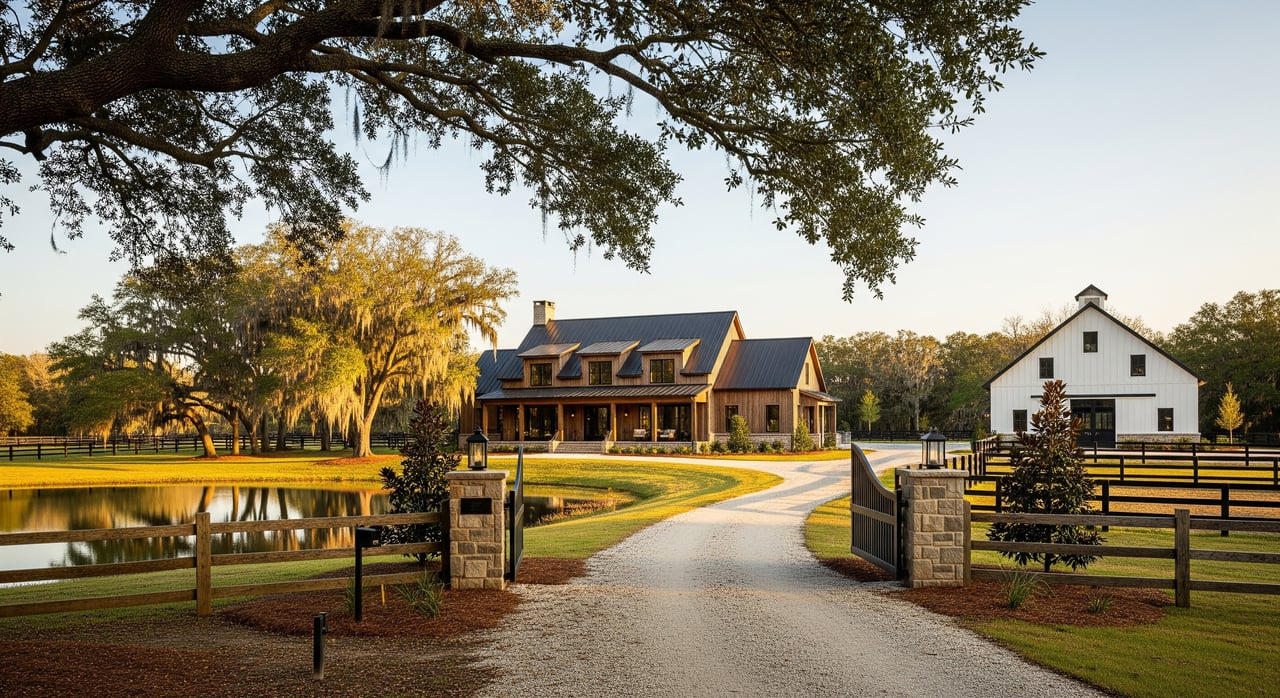
Acreage Near Buckhead: Are Small Farmettes in Demand?
Thinking about a little more space without going truly off-grid? If you are eyeing 2–10 acre “farmettes” near Buckhead in Morgan County, you are not alone. Buyers continue to look for privacy, room for hobbies or animals, and a quick drive to daily needs. In this guide, you will learn what drives demand, what sells fast, the hurdles that slow a sale, and the steps to take before you buy or list land. Let’s dive in.
Small-acreage parcels give you privacy and flexibility without the cost and upkeep of a large farm. Many buyers want a garden, a small barn, or space for a workshop and vehicles. Others want room for horses or just a quiet buffer from neighbors. When that acreage is a short drive to Madison, local schools, and main roads, interest rises.
If you are new to the area, note that Buckhead in Morgan County is a small town distinct from the Buckhead neighborhood in Atlanta. The local draw here is lower density, outdoor living, and practical access to services. Broadband access and nearby utilities also matter for day-to-day life.
Interest in rural and lower-density homes jumped in 2020–2022. By 2023–2024, demand cooled from the peak but stayed above pre‑2020 levels, especially for well-located sites with good access and available utilities. Parcels that feel “ready to build” tend to gather more showings and cleaner offers.
In today’s market, buyers still value lifestyle and location. The strongest interest is in acreage that balances quiet living with practical convenience.
Parcels that check a few buildability boxes usually sell faster and at a premium. Look for:
Buyers also respond to parcels that hint at a lifestyle. Fenced pasture, a simple cleared homesite, or attractive views help them imagine living there.
Even pretty land can sit if key issues are unclear. Common hurdles include:
Buyers value usable acres more than gross acreage. A 6‑acre parcel with a clear building site and services often beats a 10‑acre tract with constraints.
Morgan County zoning and subdivision rules set minimum lot sizes, permitted uses, and setbacks. For 2–10 acre parcels, the key question is whether single-family residential use and typical accessory structures, like barns or workshops, are allowed. Recorded covenants or an HOA, if present, can add rules on fencing, livestock, or building design. Review the county’s zoning map, the parcel’s assigned district, and any recorded restrictions before you commit.
Most rural parcels use on-site septic. The county environmental health office evaluates soils, depth to the seasonal water table, and overall suitability before issuing a septic permit. Piedmont soils in Morgan County often have sandy surface layers over red clay subsoils, which can influence drainfield design and cost. Wet areas or steep slopes can further limit where a home and drainfield can go.
A pre‑sale site evaluation is one of the simplest ways to reduce risk. If a permit is not available yet, ask for written confirmation from the county on the parcel’s potential for septic.
Some tracts sit near municipal water lines managed by regional utilities or nearby cities. Others will require a private well. Well yield and water quality can vary by depth and location. If public water is not within a practical distance, budget time and money for well drilling and testing.
Mapped soils give early clues about septic and site work. Shallow bedrock, rock outcrops, or steep areas can increase costs or reduce usable acreage. Low, flat sections may point to wetlands or floodplain that remove land from building use. A professional soils check and a quick look at flood maps are smart early steps.
Public road frontage and a recorded driveway location make life easier. Long easements, unclear road maintenance, or rough access paths add cost and complexity. Electric line extensions can be simple or expensive depending on the distance to existing lines. Broadband availability is now a must-have for many buyers, so verify coverage.
Every parcel is different, but typical order-of-magnitude ranges look like this. Always get local bids.
Timelines vary by contractor schedules and permitting. Site evaluations can take weeks to a few months. Utility extensions and driveway work may also add weeks. If you plan ahead and line up evaluations early, you can shorten the path to building.
Use this quick list before you write an offer or during due diligence:
If you want to sell faster and for more, remove uncertainty. Start here:
Even modest steps, like clearing a small building pad and documenting septic feasibility, can widen your buyer pool and shorten time on market.
A 2–10 acre farmette near Buckhead can give you privacy and flexibility with manageable upkeep. If you want to keep options open for animals, a garden, a workshop, or future outbuildings, this size often fits well. The key is to focus on usable acres and confirmed buildability.
If you are selling, think like a buyer. Offer proof that the parcel can support a home and services, and make access simple to understand. Clear information leads to stronger offers.
Whether you are buying or selling acreage near Buckhead, it pays to start early on zoning checks, septic feasibility, water options, and utilities. A little preparation now can save weeks later. If you want a second set of eyes on a specific tract or need a step‑by‑step plan, reach out.
Ready to talk through a parcel or explore your options? Connect with Unknown Company to map your next move.
Stay up to date on the latest real estate trends.

Lifestyle
July 10-12, 2026
Lifestyle
July 3-5, 2026
Contact me today for assistance in determining current property value, crafting a competitive offer, writing and negotiating a contract, and much more.