Is being near the BeltLine really worth more when you buy or sell in Reynoldstown? If you live here or have your eye on the neighborhood, you already know the Eastside Trail shapes daily life. What you might not know is how it shapes pricing, days on market, and how to read comps street by street. This guide breaks it down and gives you a simple way to evaluate value near the Trail. Let’s dive in.
BeltLine basics in Reynoldstown
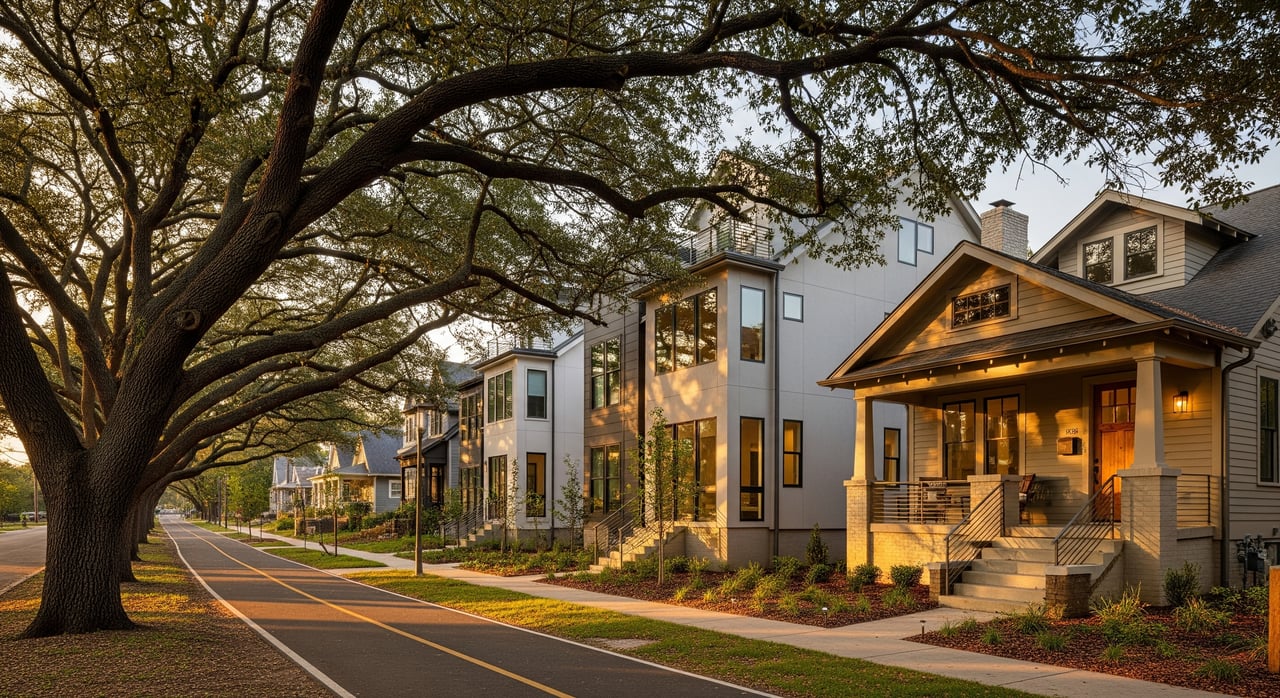
The Eastside Trail runs along Reynoldstown’s western edge, linking you to Inman Park, Old Fourth Ward, and beyond. It is one of the most active BeltLine segments with steady pedestrian and bike traffic, public art, and easy access to nearby shops and restaurants. Buyers value this blend of recreation and connectivity, which can influence what homes sell for close by.
The BeltLine has also supported new development and retail growth across intown Atlanta. In areas like Reynoldstown, that usually means more infill and renovated homes entering the market over time. These changes can raise demand near the Trail while shifting the mix of listings you see.
How proximity affects home prices
Across many cities, well-maintained urban greenways are linked to higher nearby home values. The Eastside Trail tends to work the same way through a few clear mechanisms:
- Amenity value: Easy access to a pleasant, car-free corridor often shows up in price per square foot.
- Walkability and retail: Close ties to restaurants and shops add convenience many buyers will pay for.
- Connectivity: Shorter, simpler trips to parks and job centers can boost demand.
- Development pressure: Infill near the corridor can lift average sale prices as newer homes enter the mix.
- Branding: “Near the BeltLine” has become a selling point that buyers recognize.
- Externalities: Immediate adjacency can bring noise, privacy trade-offs, and parking pressure. Pricing needs to reflect those realities.
Exact premiums or days-on-market changes for Reynoldstown require a current MLS data pull. Treat the points above as typical patterns that move with the market.
Micro-location matters
Trail-fronting homes
These properties offer the most direct access and visibility. They can command strong premiums in fast markets. Still, noise and privacy are real trade-offs. Expect faster buyer interest when priced with those trade-offs in mind.
0–2 blocks from the Trail
This is often the sweet spot. You capture most of the lifestyle benefits without being right on top of activity. These homes commonly see strong demand and steady pricing.
Near retail nodes along the Trail
Proximity to restaurants and shops can amplify the Trail effect. Some buyers prefer a short walk to both the corridor and everyday amenities. Night and weekend street activity can affect block-by-block appeal.
Interior blocks of Reynoldstown
A few blocks off the Trail may bring quieter streets and a wider range of home styles. Prices per square foot are often lower than trail-fronting homes, yet you still keep easy access. Many buyers see this as a value play.
Between noise sources and the Trail
Properties pinned between higher noise sources and the corridor can see limited or no premium. Orientation and buffers matter here. Lot layout, fencing, and trees can make a difference in perceived value.
How to read comps near the Eastside Trail
Use a simple, repeatable process. You do not need fancy software to get a clear picture.
- Define distance bands and a time window
- Bands: trail-fronting, 0–200 feet, 200–1,000 feet, and up to half a mile.
- Time: 12–24 months for current conditions. Up to 36 months if sales volume is thin.
- Pull the right data
- Use MLS to collect recent closed sales and current listings in Reynoldstown.
- Capture price, beds, baths, square footage, lot size, year built, parking, property type, renovation level, DOM, and list-to-sale ratio.
- Compare by band
- Look at medians for price per square foot, sale price, DOM, and list-to-sale ratio.
- Check for consistent directional patterns closer to the Trail.
- Compare like with like
- Filter to similar size, beds, baths, and age or renovation level before you adjust.
- Apply simple adjustments for differences in bedrooms, bathrooms, and square footage using the filtered set’s price per square foot.
- Isolate the proximity effect
- After attribute adjustments, the remaining price gap by distance band is your proxy for a proximity premium or discount.
- Go deeper if needed
- A basic regression model using price per square foot as the outcome and distance to Trail plus core home features as inputs can refine your estimate. This is optional but helpful when you want a clean percentage impact.
Practical rules of thumb
- Think in walk time: “trail-fronting,” “two-minute walk,” or “five-minute walk” is easier to grasp than feet or meters.
- Balance the trade-offs: Closer can mean a higher price and faster interest, but adjust for privacy or noise.
- Match the market: In a hot market, expect tighter negotiation room near the Trail. In a cooling market, the premium can compress.
A quick property checklist
Use this when you tour or prep a home near the Eastside Trail:
- Distance to Trail and nearest access point
- Front door or backyard orientation to the corridor
- Proximity to retail nodes and weekend activity
- Off-street parking or garage capacity
- Fencing, landscaping, and privacy screens
- Nearby noise sources and how the home is buffered
- Floodplain or stormwater overlays
- Recent comps within the same distance band and similar home attributes
- DOM and list-to-sale ratio versus neighborhood medians
For sellers: pricing and marketing tips
- Price within a clear distance band. Use the most recent 12 months of comps and confirm pending activity in the last 30–90 days.
- Make privacy a feature. Highlight fencing, landscaping, and any sound or light mitigations. Show how you enjoy the Trail without sacrificing comfort.
- Tell the lifestyle story. Include photos and notes on walk times to the Trail and nearby amenities.
- Schedule showings smartly. If weekend traffic is busy, also offer weekday time slots to show day-to-day living.
For buyers: making a smart offer
- Start with banded comps. Compare trail-fronting options to 0–2 blocks away before you decide what the premium is worth to you.
- Visit at different times. Check a weekday morning, a weekend afternoon, and an evening to gauge activity and noise.
- Weigh what you value most. If privacy and a quiet yard matter, one or two blocks away may deliver better long-term satisfaction.
- Watch DOM and list-to-sale ratios. Stronger numbers closer to the Trail signal less room to negotiate.
What we are seeing in Reynoldstown
In many intown Atlanta neighborhoods next to the BeltLine, practitioners have observed higher price per square foot and faster sales closer to active Trail segments. That pattern can vary by housing type and by the strength of the overall market. In softer conditions, premiums often narrow and DOM gaps shrink.
The most reliable way to understand today’s effect in Reynoldstown is a fresh MLS pull segmented by distance band and property type. That gives you a clear, current view for your specific home or target block.
Next steps
If you are planning to buy or sell near the Eastside Trail, set your strategy with banded comps and a quick walk-time analysis. You will know where to price, how to position trade-offs, and what to expect in negotiations.
Want a custom Reynoldstown pricing read with recent MLS data and a clear plan for your block? Reach out to Makes Home Real Estate for a local valuation consult and market briefing. Get your instant home valuation and a step-by-step strategy that fits your goals.
FAQs
How much more will I pay to live near the Eastside Trail in Reynoldstown?
- It depends on distance, property type, and current market conditions, so use a recent MLS pull by distance band to estimate the proximity premium for your specific home.
Do BeltLine-adjacent Reynoldstown homes sell faster than others?
- Often yes in strong markets, though it varies by season and house features, so compare median DOM by distance band for the last 12 months to see what is true right now.
How should I compare two similar Reynoldstown homes at different distances to the BeltLine?
- First adjust for beds, baths, square footage, and condition, then review price per square foot and DOM within the same distance bands to isolate the proximity effect.
Are there downsides to living right on the Eastside Trail in Reynoldstown?
- Immediate adjacency can bring more foot and bike traffic, less privacy, and parking pressure, so value privacy measures and visit at different times before you decide.
Will the BeltLine bring more development to Reynoldstown over the next five years?
- The corridor has attracted infill and retail activity in recent years, so plan for continued change and verify planned projects and zoning with current city and BeltLine materials.