Leave a Message

Thank you for your message. I will be in touch with you shortly.

Living Car‑Light In East Atlanta Village

Wondering if you can live a little lighter on the car in East Atlanta Village? If you love being close to cafés, parks, and a lively main street, EAV can fit your lifestyle. You still may use a car for bigger errands, but many daily needs can be handled on foot, by bike, or with a quick bus ride. This guide shows you what to look for, how to map your routines, and how car‑light living affects home choices and value. Let’s dive in.

What “car‑light” means in EAV

Car‑light living in East Atlanta Village means most daily trips happen by walking, biking, or transit, with occasional car use for large items or longer regional trips. You prioritize proximity to grocery, takeout, parks, and services within a 5 to 15 minute walk. You plan for reliable bus links and safe bike routes to connect to rail or bigger destinations. You also factor in parking realities and storage for bikes, deliveries, and gear.

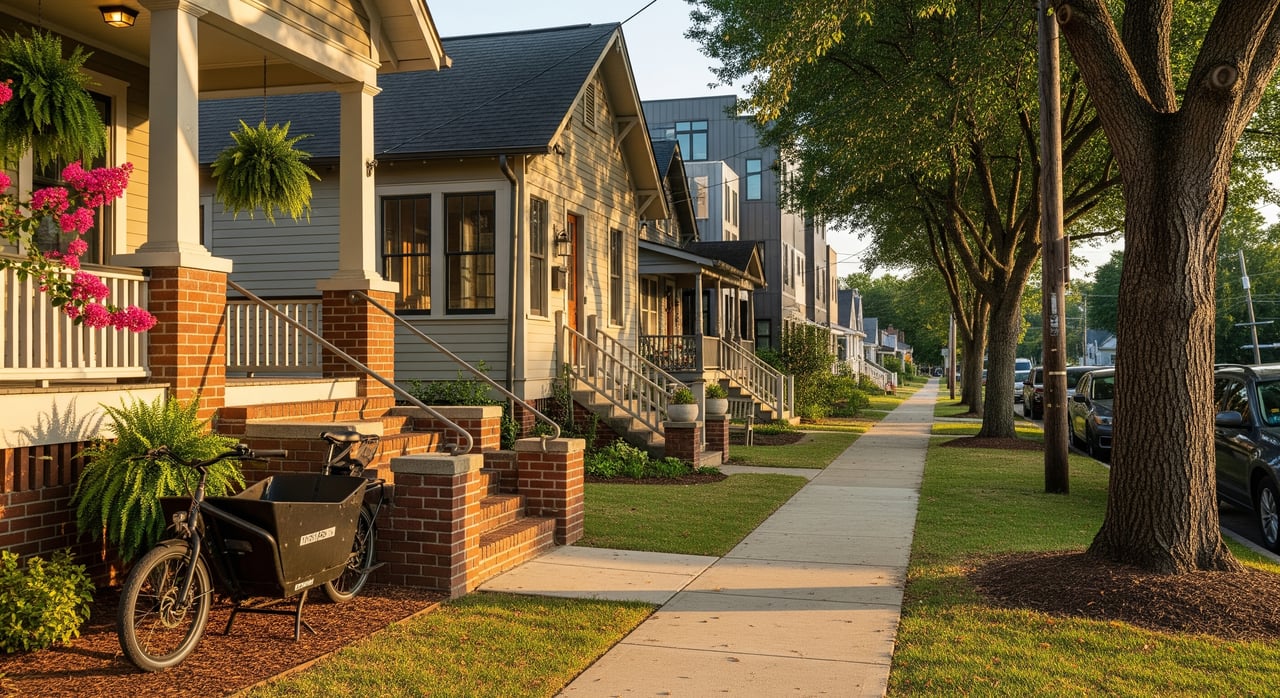
EAV sits on Atlanta’s southeast side in DeKalb County and is known for its concentrated retail and restaurant strip. Housing ranges from early‑20th‑century bungalows and cottages to newer townhomes and small apartment buildings. Older blocks can have narrower sidewalks and limited off‑street parking, so you will want to evaluate each street and lot closely.

Map your daily life in EAV

A simple custom map will show you if a specific address supports car‑light routines. Build layers for the essentials and then test actual walk times.

Groceries, pharmacy, and basics

  • Plot the nearest supermarket, small grocers, and 24‑hour convenience options.
  • Add pharmacies and urgent care. Use walk‑time bands at 5, 10, and 15 minutes to see realistic reach.
  • Include a bank, post office, dry cleaner, and laundromat to cover weekly errands.

Food and daily retail

  • Map restaurants, cafés, bars, and takeout, tagged by service type so you can see day and night options.
  • Add farmers market days or specialty food vendors if you plan frequent small shops.

Parks and recreation

  • Mark nearby parks, playgrounds, and community gardens. Note features like courts or dog areas.
  • Include multi‑use paths and any nearby BeltLine trail access or planned connectors.

Transit and mobility layers

  • Add MARTA bus stops near the Village and the closest rail stations outside EAV. Note typical peak and off‑peak frequencies to judge reliability.
  • Include bike lanes and low‑traffic streets that connect to key destinations.
  • If available, mark common scooter pickup areas and any nearby carshare hubs.

Street‑level walkability check

  • Trace sidewalk continuity on your most used routes and flag any gaps.
  • Note curb ramps, lighting, and marked crosswalks at busy intersections.
  • Identify where pedestrian activity is highest near commercial nodes and where residential blocks are quieter.

Parking patterns and rules

  • Mark on‑street parking availability and any time‑limits you observe.
  • Note nearby public lots that serve the Village.
  • If you plan to keep a car, confirm driveway or garage access and whether adding parking is feasible under city or county rules.

Transit and physical connectivity

EAV is primarily served by MARTA buses, with the nearest rail stations reachable by a short bus or bike trip. This matters for commute planning and late‑night travel.

MARTA buses and rail access

  • Identify the bus lines that stop within a short walk of your target address.
  • Check typical headways on weekdays, weekends, and evenings to estimate wait times.
  • Map the nearest rail station and test a door‑to‑door trip at your usual commute hour to see total travel time.

BeltLine and trails

The Atlanta BeltLine is a major asset for active transportation. Where a direct BeltLine segment does not yet exist near your address, look for the closest existing trail access points and any planned connector corridors. These links can shorten bike trips and improve access to more destinations over time.

Biking for everyday trips

EAV’s street grid makes short bike trips practical, especially at a typical utilitarian speed of 12 to 14 mph. Map protected and painted bike lanes, plus low‑stress neighborhood streets you can use as greenways. Note secure bike parking at frequent stops like cafés and grocers.

Micro‑mobility and carshare

Scooter and dockless bike availability can vary, but they are useful for short hops and first‑mile to transit. If you plan to go car‑light or one‑car, check for carshare and peer‑to‑peer options nearby. These services can replace a second car for occasional needs while reducing parking demands at home.

Ride‑hail and taxis

Ride‑hail coverage is citywide. It adds a variable monthly cost compared with owning a second car, but it can help you manage late‑night returns, rainstorms, or airport trips without adding a parking space to your must‑have list.

Home features to prioritize

Buying for a car‑light lifestyle means looking beyond bedroom count. Focus on features that support daily comfort and flexibility.

  • Proximity to daily needs: A 5 to 10 minute walk to grocery, pharmacy, and takeout reduces car trips.
  • Sidewalks and crossings: Continuous sidewalks, good lighting, and safe crossings make year‑round walking easier.
  • Bike storage and secure entry: Space for bikes, a mudroom, and room for deliveries is a real quality‑of‑life win.
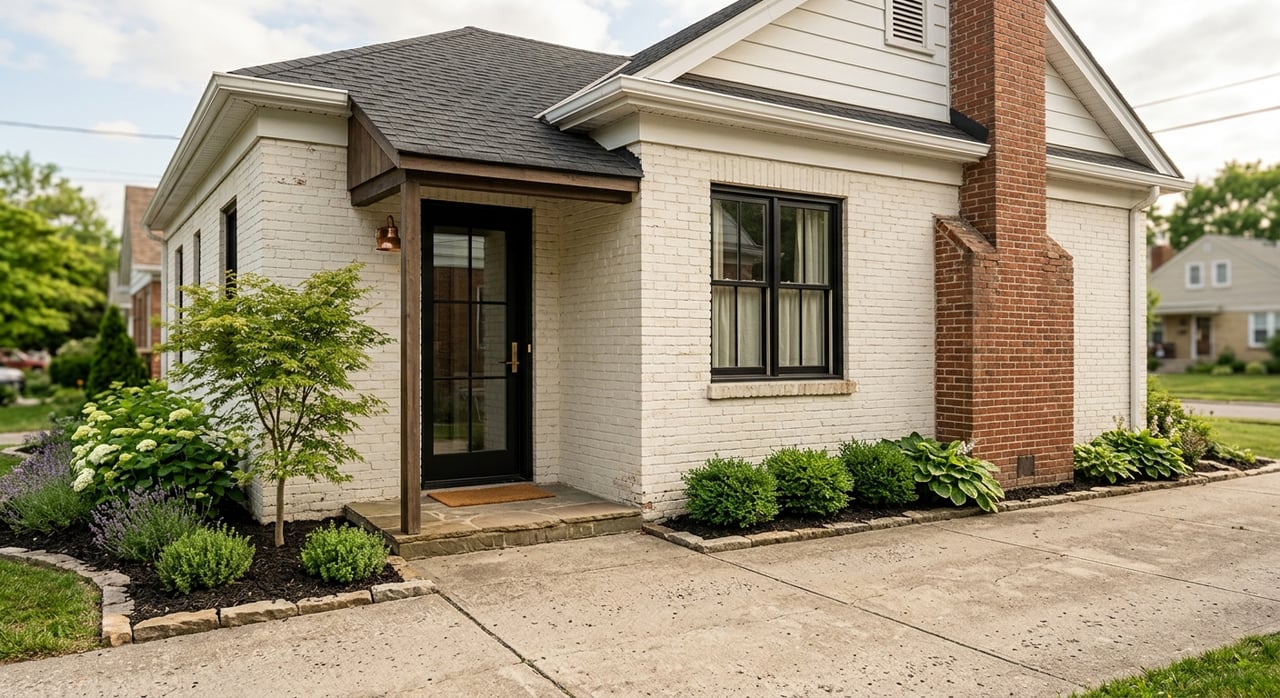
  • Parking reality: Older bungalows may lack private driveways. Decide if you are comfortable with street parking or if you need off‑street parking now or in the future.
  • Transit access: A short walk to frequent bus service and a manageable door‑to‑door time to work is a major value driver.
  • Storage and layout: Smaller homes can work if you have pantry space and a spot for bulk items and gear.

How car‑light traits influence value

Demand often concentrates around blocks with visible daily amenities and strong transit or bike links. Homes that deliver true walkability and easy access to EAV’s commercial strip can see more competition and potential price premiums compared with less connected locations. Blocks close to nightlife can trade some quiet for convenience, which may introduce valuation variability based on buyer preference.

Planned mobility investments such as BeltLine connectors, bike lanes, or bus upgrades can be positive signals for the future. They can also bring short‑term construction impacts, so timing matters if you plan to sell soon after a project starts. Walkable neighborhoods also tend to draw steady rental interest from people who prioritize access over square footage, which can support investor confidence.

Everyday adjustments and tradeoffs

Living car‑light changes how you plan and budget. Expect more frequent small grocery trips or occasional delivery for bulky items. You shift some fixed car costs toward variable mobility options such as ride‑hail, carshare, or micro‑mobility.

If you host often, check visitor parking patterns and loading areas. Atlanta’s humid summers and occasional severe weather can affect walking and biking comfort, so nearby transit and shaded routes help. A front porch, covered entry, or short walk from bus stop to door can make a big difference on rainy days.

How to evaluate a specific EAV property

Use this quick process to test if an address supports your routines.

  1. Build 5, 10, and 15 minute walk isochrones from the property. Include grocery, pharmacy, urgent care, parks, and takeout.
  2. Test commute trips at peak and off‑peak times with bus plus rail if needed. Compare total times to your expectations.
  3. Walk your likely routes at midday and after dark. Note sidewalk continuity, crossings, lighting, and where foot traffic feels active.
  4. Map bike routes to your frequent destinations. Confirm bike parking at your usual stops.
  5. Confirm parking setup on the property and on the street. Ask about time limits, permit needs, and any HOA or zoning constraints.
  6. Check for planned mobility projects nearby. Consider both long‑term benefits and short‑term construction impacts.

Is car‑light EAV living a fit for you?

If you want an intown lifestyle where daily needs sit close to home, East Atlanta Village is worth a serious look. The mix of older homes and newer infill offers options, but small differences in location, sidewalks, parking, and transit access can make a big lifestyle impact. With a clear map and a focused home checklist, you can find a place that supports your routines today and holds value as the neighborhood continues to evolve.

Curious which EAV blocks match your everyday life and budget? Let’s walk it together, test the routes, and shortlist the right homes. Reach out to Makes Home Real Estate for a personalized plan.

FAQs

What does “car‑light living” in East Atlanta Village actually look like day to day?

  • Most daily errands happen on foot or bike within 5 to 15 minutes, with MARTA buses for longer trips and occasional car use for big purchases or regional travel.

How is East Atlanta Village connected to MARTA rail if there is no station inside the Village?

  • EAV is primarily served by MARTA buses, with the closest rail stations reached by a short bus or bike trip, so you should test door‑to‑door times during your commute hour.

What home features matter most for car‑light buyers in EAV?

  • Prioritize walk access to grocery and services, continuous sidewalks, secure bike storage, realistic parking, and a short walk to reliable bus service.

How do future BeltLine or bike projects affect home value in EAV?

  • Planned connectors and bike lanes can signal future access improvements that support demand, but construction periods can also create short‑term disruption.

Are older EAV homes harder for car‑light living?

  • Older bungalows can be great for walkability but may have limited off‑street parking and variable sidewalk conditions, so evaluate each block and lot carefully.

What are the biggest tradeoffs near EAV’s commercial strip?

  • You gain convenience and street life but may experience more late‑night activity and tighter parking compared with quieter residential blocks.

Work With an Expert in Your Area

Contact me today for assistance in determining current property value, crafting a competitive offer, writing and negotiating a contract, and much more.