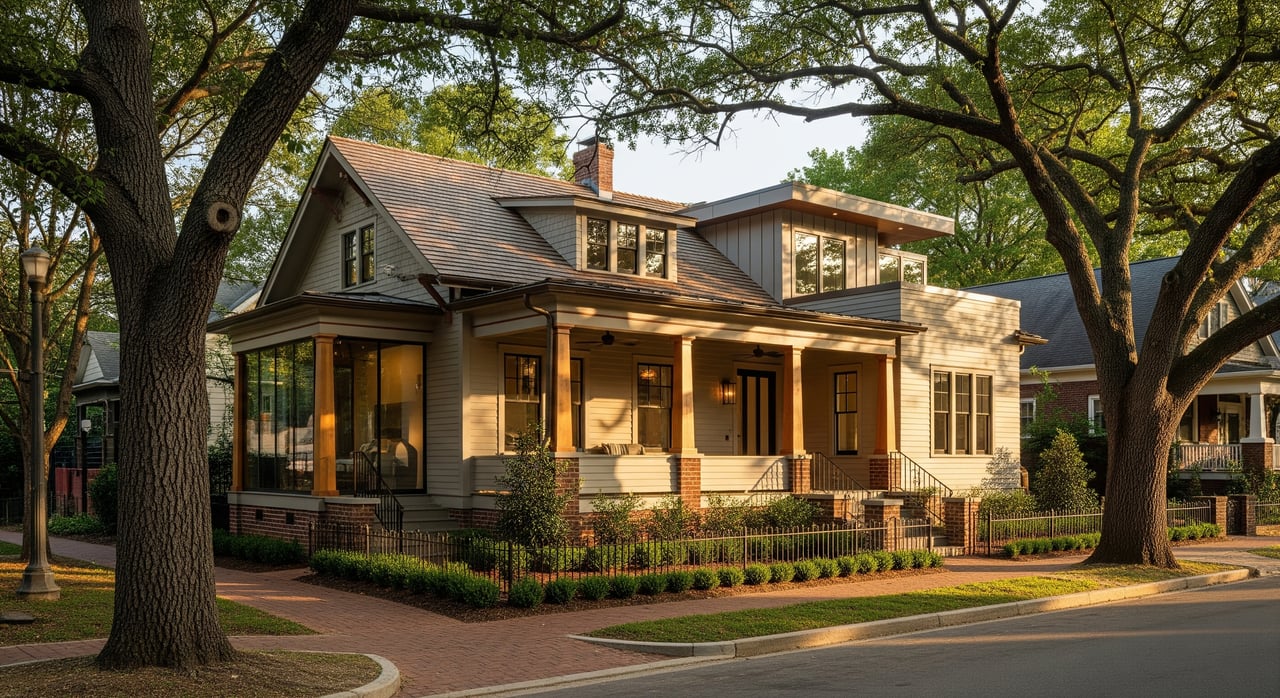
How To Price Your Ormewood Park Home Right
Pricing a home in Ormewood Park can feel tricky. You are not just competing with one set of properties, you are competing with two: classic bungalows and newer infill homes that often carry a different price per square foot. If you want strong early interest without leaving money on the table, you need a local, methodical approach. This guide walks you through comps, renovation impact, micro-location factors, a simple pricing framework, and when to test the market before going live. Let’s dive in.
Ormewood Park blends older bungalows with more recent infill and new-construction homes. That mix often creates two price tiers, with newer infill selling at a premium per square foot and renovated period homes trading in their own range. Knowing which set your home belongs in is step one.
Walkability matters here. Proximity to trails, parks, and neighborhood commercial corridors can raise buyer interest and support higher pricing. Seasonality, current inventory, buyer demand, and interest rates also shape your strategy, since they influence showing activity and purchasing power.
To ground your price in reality, focus on neighborhood-level data. Use your local MLS for closed and pending comps, and confirm square footage and lot size with Fulton County assessor records. Check regional planning resources and BeltLine maps for nearby or upcoming trail and infrastructure improvements that may affect desirability.
Start with 6 to 10 closed sales from the last 3 to 6 months if the market is active, or extend to 6 to 12 months if supply is thin. Add 6 to 10 active and pending listings to understand your competition and demand. Use MLS data for accuracy, and verify property details with public records.
Prioritize sales within half a mile. If inventory is limited, you can extend to a mile, but only when the homes are a close match in type, size, and lot. Keep your time window tight so you reflect current buyer preferences and any recent price movement.
Create two buckets if needed: renovated period bungalows and newer infill. These categories typically trade in different price bands. Avoid blending them, or you risk overstating or understating your home’s value.
Start by comparing prices and price per square foot among closely matched comps, then adjust for differences. Use paired-sales logic where possible so each adjustment is tied to a clear market signal.
Common adjustment categories include:
If you rely heavily on price per square foot, keep context in mind. Small bungalows often show higher per-square-foot numbers than larger infill homes, but the total price may still be lower. Decide whether total price or per-square-foot positioning matters more for your goals.
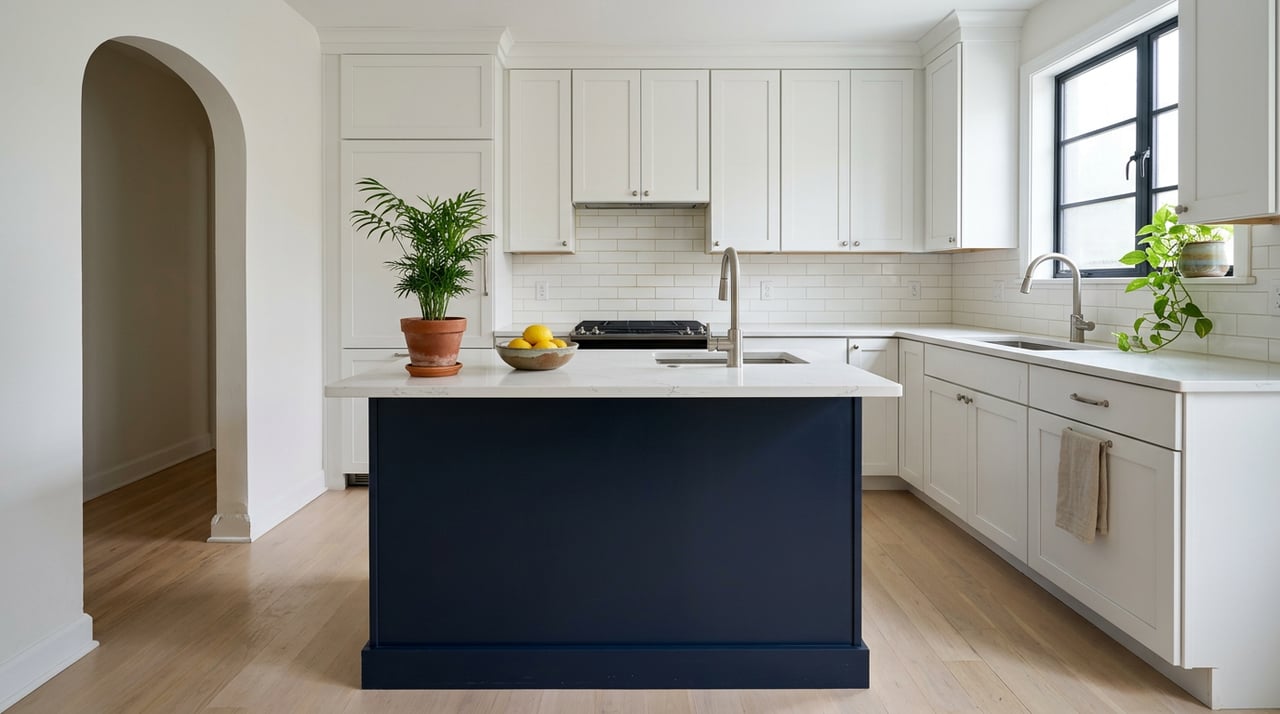
Kitchen and bath remodels are consistently high-impact for resale. Cosmetic updates like paint, flooring, and landscaping help your home show better and can shorten time on market. Systems improvements like roof or HVAC are essential to avoid discounts or appraisal problems, although they rarely push price above market.
Structural additions add value through more space, but percentage returns vary. Expect the market to pay more for the finished square footage, yet not always enough to recoup every dollar spent.
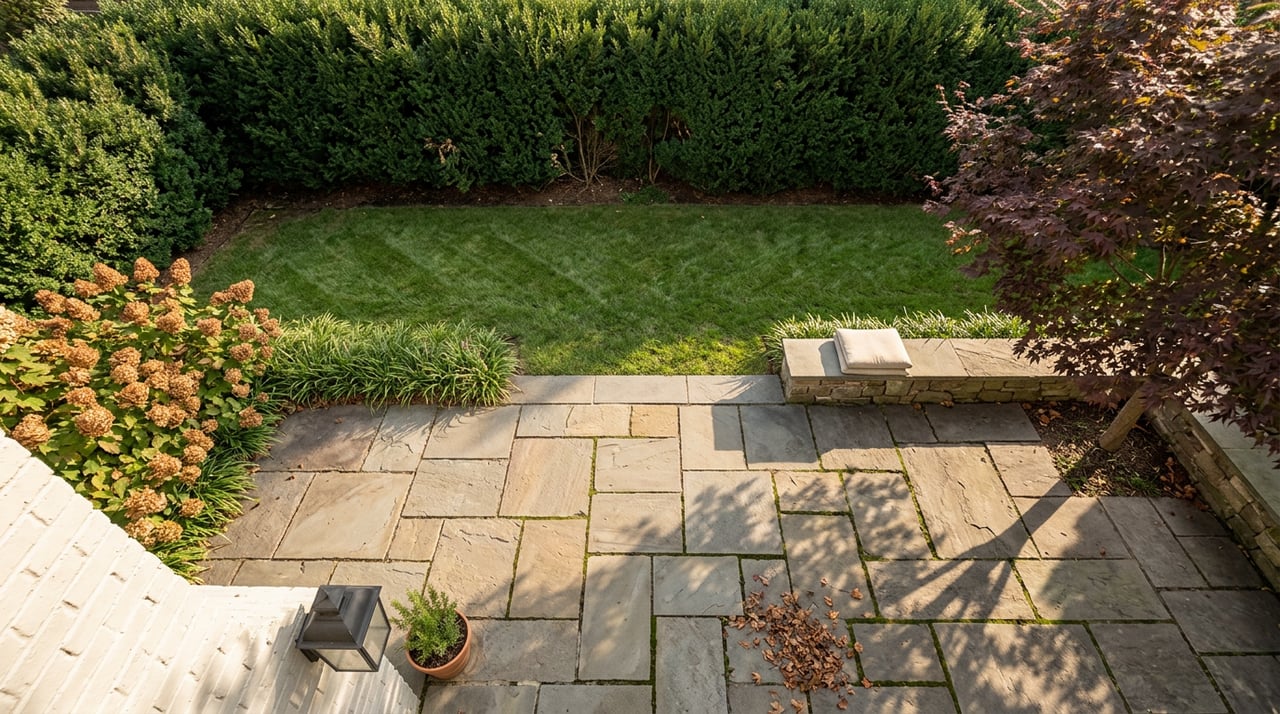
For Ormewood Park bungalows, buyers often favor renovations that respect original character. Details like porch restoration, trim, and woodwork can boost appeal. Overly modern remodels that strip character may limit your buyer pool. For newer infill, buyers usually prioritize space, open layouts, and modern systems.
Use recent neighborhood sales to estimate your uplift from specific projects. National ROI tables can help frame expectations, but neighborhood comps tell you what buyers actually paid for similar improvements nearby.
Micro-location can shift value even among similar homes. Consider:
Note how these features compare to the neighborhood baseline, not just your personal preferences.
Consider pre-market testing if your home is unique, sits at the edge of two micro-markets, or has recent renovations with uncertain value. It can also help when the market is slow or your timing is flexible.
Your first two weeks are data rich. Track showings against neighborhood norms, review feedback, and watch how many buyers tour but choose other homes. If days on market outpace the neighborhood median by a wide margin and feedback mentions price, a timely adjustment can protect your net.
For a renovated bungalow, you will likely anchor comps to other renovated period homes within a half mile and a recent time window. You will adjust for porch and outdoor space, kitchen and bath quality, and a usable yard. For newer infill, you will weigh total square footage, open-plan layout, and modern systems more heavily, then compare your home to recent infill sales and current active listings.
In both cases, micro-location can tip the scale. If your home sits near park access, a neighborhood commercial node, or a planned trail connection, you may be able to stretch toward your market-aligned or aggressive target. If your street is busier, or if the home needs obvious updates, lean toward market-aligned or safety pricing and consider targeted pre-list improvements to tighten your presentation.
Ready to set your price with confidence, backed by neighborhood data and a clear strategy? Reach out to schedule a pricing consult or get started with an instant estimate through Makes Home Real Estate. We will pair hyper-local expertise with a practical, step-by-step plan that fits your timing and goals.
Make the next move with Makes Home Real Estate.
Stay up to date on the latest real estate trends.

Contact me today for assistance in determining current property value, crafting a competitive offer, writing and negotiating a contract, and much more.