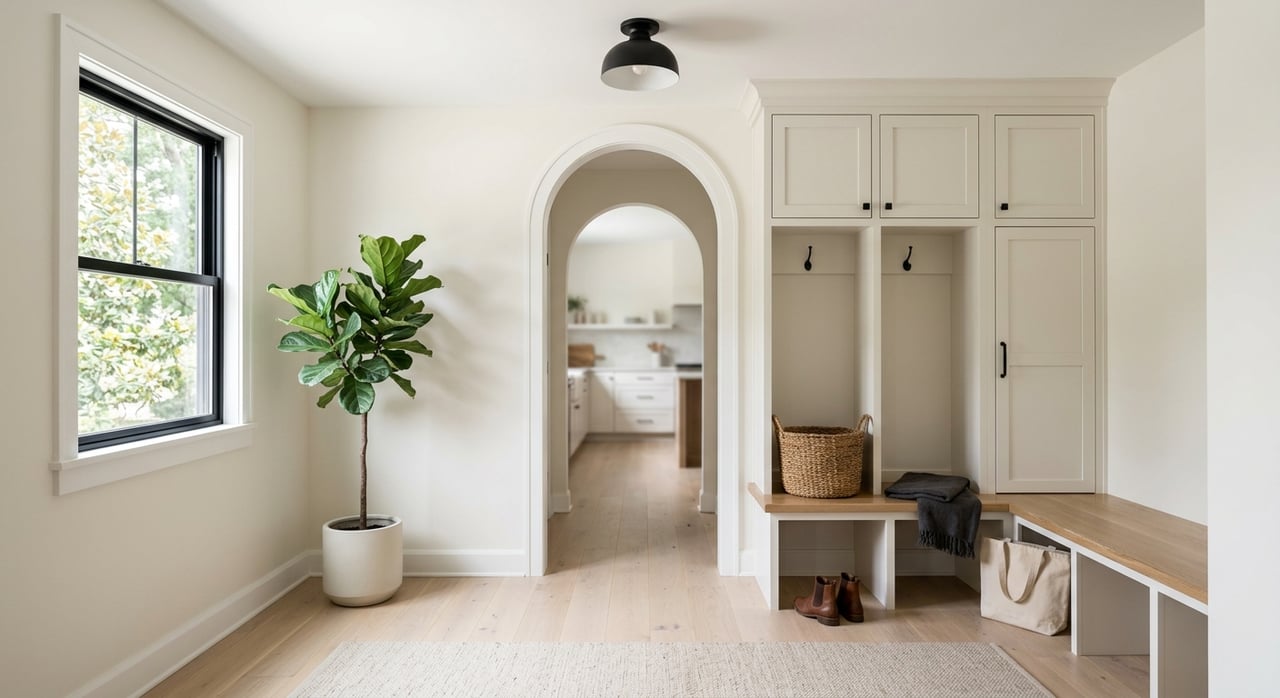
When Moving Up Within Ormewood Park Makes Sense
If you love Ormewood Park but your house no longer fits the way you live, moving up without leaving the neighborhood can be a smart next step. You may not need a new part of Atlanta. You may just need a different layout, more room, or a home that better matches this stage of life. If you are wondering when that move makes sense, what the current market is saying, and how to plan it well, this guide will help you sort it out. Let’s dive in.
Ormewood Park has long appealed to buyers who want an intown location with character and strong connections to nearby areas. It sits between Grant Park and East Atlanta, and its housing stock includes a mix of home types and eras. That variety matters when you are thinking about a move-up purchase, because it can create more ways to stay local while changing your square footage, layout, lot size, or renovation level.
The neighborhood also became more connected in April 2026, when the Atlanta BeltLine opened Southeast Trail segments serving Ormewood Park, Grant Park, Glenwood Park, and Boulevard Heights. For many homeowners, that strengthens the case for staying nearby. You can keep the lifestyle you already enjoy while finding a home that works better day to day.
Sometimes the issue is not your location. It is your floor plan.
If your home still works geographically but not functionally, that is often the clearest sign it may be time to move up. You may need another bedroom, a true office, a larger kitchen, better storage, or more outdoor space.
You may also notice that everyday routines now involve constant compromises. Maybe someone is working from the dining table, one room is trying to do three jobs, or storage is always tight no matter how often you organize. Those patterns usually do not improve on their own.
Another common sign is that you still want Ormewood Park, but your current home no longer matches your life stage. If the neighborhood still feels right and the house does not, a move within the area can be worth exploring.
If you are considering a move-up purchase, timing matters. In March 2026, the median sale price in Ormewood Park was $610,000, and homes sold in a median of 21 days. During that same period, Atlanta overall had a median sale price of $433,500 and median days on market of 70.
That tells you two important things. First, Ormewood Park remains a higher-priced and faster-moving market than Atlanta overall. Second, good listings can move quickly, so planning ahead matters if you want to buy and sell with less stress.
There is also some nuance in the numbers. Ormewood Park home prices were down 15.9 percent year over year in March 2026, compared with a 4.7 percent decline across Atlanta overall. That may give some move-up buyers a little more room to evaluate options, but it does not change the fact that desirable homes in the neighborhood can still move fast.
At the metro level, the March 2026 Atlanta REALTORS Market Brief reported 17,723 active listings and 4.0 months of supply, alongside 4,670 single-family sales. That suggests a competitive market, but one with more inventory than an extremely tight market. For move-up buyers, that can mean a better chance of finding the right next home without waiting for the perfect listing forever.
Even if you have strong equity, monthly payment still matters. Freddie Mac reported an average 30-year fixed mortgage rate of 6.51 percent on May 21, 2026. In practical terms, that means the jump from your current payment to your next one may feel larger than the price difference alone suggests.
This is why a move-up decision should start with the problem you are solving, not just the idea of getting more house. If you know exactly what you need, you can focus on changes that improve your daily life instead of paying more for features that do not really matter to you.
Before you start touring homes, get specific. A move-up home does not have to mean dramatically bigger. It may mean smarter.
Ask yourself:
This kind of clarity helps you avoid overspending and keeps your search realistic. In a neighborhood like Ormewood Park, where housing styles and home sizes vary, knowing your true priorities can make the process much easier.
If you are moving up within Ormewood Park, your current home is a big part of the equation. Your equity may shape your budget, your timing, and whether you feel comfortable buying before selling or selling before buying.
That is why one of the smartest first steps is getting a clear valuation before you shop seriously. You want to understand what your home could likely sell for in today’s market, how much equity you may be able to access, and what that means for your next purchase.
For many homeowners, this step brings the whole decision into focus. It can confirm that moving up is realistic, or show you that waiting and planning longer may be the better move.
There is no one right answer for every homeowner. The best sequence depends on your equity, cash reserves, financing comfort, and how much disruption you can tolerate.
In a neighborhood where homes have been selling in a median of 21 days, it often makes sense to prepare the sale side early. That does not always mean listing immediately. It means understanding your likely sale price, getting your home ready, and knowing what your options are before the right next home appears.
Selling first can reduce financial pressure. You may know your exact proceeds, avoid carrying two homes at once, and shop with a clearer budget.
This path can also make sense if you want to limit risk in a fast-moving neighborhood. If your current home is a major source of funds for the next purchase, selling first may create more certainty.
Buying first can be helpful if you have strong cash reserves or enough flexibility to manage overlap. It may let you move once instead of dealing with temporary housing or storage.
This route can also be appealing if you are trying to hold out for a very specific home type in Ormewood Park. Still, because homes can move quickly, it works best when you have a clear plan for the sale of your current property.
If your top goal is staying close to your current lifestyle, it may help to widen your search just enough. The Southeast Trail now connects Ormewood Park more directly with nearby intown areas including Glenwood Park and Grant Park.
That does not mean you need to leave the neighborhood. It simply means your move-up options may grow if you also consider nearby areas with similar access and day-to-day convenience. For some buyers, that wider search creates better odds of finding the right fit without giving up the intown rhythm they want.
A move within Ormewood Park can still change your property tax setup, especially if your primary residence changes. In Georgia, a homestead exemption applies to your legal residence and cannot be claimed on more than one property. The filing deadline is April 1 for the current tax year.
Fulton County uses the same basic timing and requires that the home be your primary residence. Once you know which home will be your new primary residence, it is worth revisiting your tax picture right away. This is an easy detail to overlook during a busy move.
If moving up in Ormewood Park is on your mind, keep the process grounded in a few practical steps:
A move-up decision usually works best when you treat it as a coordinated plan, not two separate transactions. The better your timing and numbers, the easier it is to move with confidence.
If you are trying to figure out whether staying in Ormewood Park and moving up is the right call, the next best step is usually simple: understand your home’s current value, your likely equity, and the best sequence for your move. That kind of local planning can make a big difference in a neighborhood where listings can move fast and payment changes matter. When you are ready, Makes Home Real Estate can help you think through your valuation, your options, and your next move.
Stay up to date on the latest real estate trends.




Contact me today for assistance in determining current property value, crafting a competitive offer, writing and negotiating a contract, and much more.